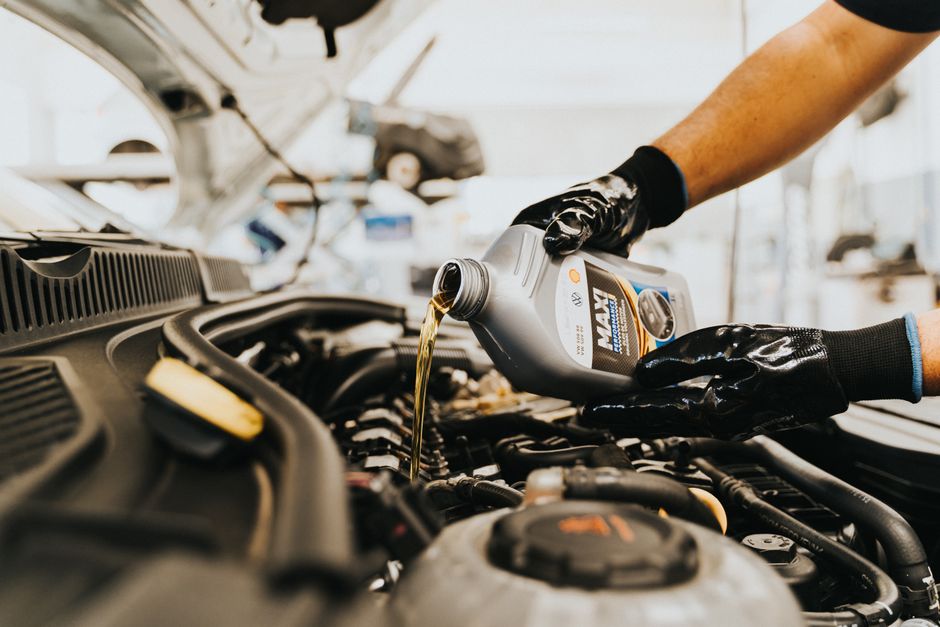
Choosing the best oil for high mileage cars is less about chasing a miracle formula and more about matching the oil to the realities of an engine that has already seen years of heat cycles, short trips, and wear at sealing surfaces. A car with 120,000 miles does not automatically need a special treatment, but it often benefits from oil chemistry that handles consumption, sludge control, and aging gaskets better than a basic low-cost fill.
The mistake many owners make is assuming “high mileage” means the engine is simply old. Mileage matters, but so does how the car was used. A highway commuter with regular oil changes can be healthier at 180,000 miles than a neglected city car at 90,000. That is why the right oil choice starts with the engine’s condition, not just the odometer.
What high-mileage oil is actually designed to do
High-mileage oils are usually formulated with a few practical goals in mind: reduce oil consumption, help condition seals, keep deposits under control, and maintain viscosity stability as the engine ages. They are not magic restorers. They cannot rebuild worn piston rings or repair a leaking rear main seal. What they can do is reduce the small losses and stresses that become more noticeable as mileage climbs.
One common feature is seal-conditioning additives. These are meant to help rubber seals stay more pliable, which can reduce seepage from valve cover gaskets, cam seals, and other aging rubber parts. The effect is modest, but in real ownership terms, a modest reduction can mean fewer top-offs and less oily residue on the driveway.
Many high-mileage formulations also include stronger detergent and dispersant packages. That matters because older engines often accumulate varnish and minor deposits that can interfere with ring sealing and oil control. A cleaner engine does not automatically become a better engine, but it often behaves more predictably.
Why viscosity matters more than the label on the bottle
The best oil for a worn engine is not always the thickest one on the shelf. Viscosity should match the engine design, climate, and oil pressure behavior. If the manufacturer specifies 5W-30, jumping to a much thicker grade just because the car has high mileage can create cold-start drag, slower flow to upper engine parts, and in some cases reduced fuel economy.
What usually works best is staying within the manufacturer’s approved range, then choosing a high-mileage version of that grade if the engine shows age-related symptoms. For example, if a car has begun to use a little oil between changes but still starts cleanly and maintains normal pressure, a high-mileage 5W-30 is often a more sensible first step than moving straight to a heavier viscosity.
There are exceptions. Some older engines with clear wear, hot running conditions, or known consumption issues may respond better to a slightly thicker grade permitted by the manufacturer. The key word is “permitted.” If the engine calls for a specific oil specification, that requirement matters more than internet lore about thick oil “protecting better.”
When synthetic high-mileage oil is worth it
Synthetic high-mileage oil is usually the safest default for modern engines that have crossed into higher mileage. Synthetic base stocks resist oxidation better, hold up under heat, and generally flow more consistently in cold weather. That matters because an aging engine often experiences more blow-by and heat stress than it did when new.
In practical terms, synthetic oil can help when the car sees mixed driving, long idle periods, frequent short trips, or hot summer commuting. Those are the conditions that tend to punish oil most. If the engine is clean and not leaking badly, synthetic high-mileage oil is often the best balance of protection and convenience.
Conventional high-mileage oil still has a place. Some older engines, especially ones that have lived their whole lives on conventional oil, may do fine on it if change intervals are kept conservative. If budget is tight and the car is not especially demanding, a quality conventional high-mileage formula can still be a smart choice. The important part is consistency.
Signs your engine may benefit from a high-mileage formula
There are a few practical clues that suggest a high-mileage formulation could help. Minor oil seepage around gaskets is one. Gradual oil consumption between changes is another. A slightly noisier valvetrain on cold starts can also point to a need for better cold-flow performance or simply fresher oil.
Drivers often overlook the difference between a leak and consumption. A leak leaves visible residue outside the engine. Consumption burns or passes oil internally, so you may see no drips at all but still need to add oil every few weeks. High-mileage oil can sometimes reduce both, but it is more likely to help with small leaks than with severe internal wear.
If the engine is smoking heavily, losing oil very quickly, or showing low compression, oil choice is not the main problem. At that point, the right move is diagnosis, not a different bottle. High-mileage oil is for managing aging, not hiding major mechanical damage.
How to read the bottle without getting fooled by marketing
Oil packaging can be noisy. Words like “premium,” “advanced,” and “maximum protection” appear on almost every jug. The details that matter are on the back and in the specification sheet. Look for the viscosity grade first, then check whether the oil meets the manufacturer’s required API, ILSAC, or ACEA standard, depending on the vehicle.
For high-mileage oils, the label should clearly state that the product is intended for higher-mileage engines. That does not automatically make it better than a standard oil of the same viscosity. It simply means the formula includes additive choices aimed at older engines. If the oil does not meet the vehicle’s required spec, the high-mileage label is irrelevant.
Owners of turbocharged engines should be especially careful. Turbo engines run hotter and can be more sensitive to oil quality and deposit control. A high-mileage oil can still be appropriate, but only if it meets the exact specification the engine calls for. In turbo applications, spec compliance matters more than age-based marketing.
Common mistakes people make with older engines
- Choosing a thicker oil too quickly. A jump in viscosity can mask symptoms without fixing the cause and may hurt cold-start lubrication.
- Ignoring the manufacturer specification. The right viscosity is not enough if the oil fails the required standard.
- Using high-mileage oil as a repair. It can slow minor seepage, but it will not cure mechanical wear.
- Extending drain intervals too far. Older engines often benefit from more conservative change intervals, especially if they consume oil.
- Overlooking the filter. A quality oil filter matters more than many drivers realize, especially in engines that may carry more deposits.
Another mistake is switching products constantly. Older engines often respond best to a stable routine. If one oil works well and keeps consumption manageable, there is little reason to keep experimenting every service interval.
How driving style changes the right oil choice
Two cars with the same mileage can need different oil strategies because they live different lives. A highway car that reaches full operating temperature regularly tends to keep its oil cleaner and may tolerate longer service intervals. A short-trip car, by contrast, builds moisture and fuel dilution more easily, which can degrade oil faster and make high-mileage additives more useful.
Stop-and-go driving also raises oil temperature swings and can accelerate wear on gaskets and seals. In that environment, a synthetic high-mileage oil often makes more sense than a basic conventional formula. If the car is used for towing, mountain driving, or hot-weather commuting, the oil has to resist heat stress as much as it has to manage age.
For weekend cars or low-use vehicles, the concern is often not just mileage but time. Oil ages even when the car is parked. If the engine sits for long periods, fresh oil with the right additive package matters more than chasing a longer drain interval.
What to do if the engine already consumes oil
Moderate oil consumption is one of the most common reasons people start looking for the best oil for high mileage cars. The first step is to measure it accurately. Fill the oil to the correct mark, note the mileage, and check the level regularly over a few tanks of fuel. Guessing leads to bad decisions.
If the car uses a quart every few thousand miles, a high-mileage oil may reduce the rate enough to make ownership easier. If consumption is severe, the oil may simply be keeping the engine alive between top-offs. In that case, the priority is monitoring, not hoping the next product will solve it.
Also check for simple causes before blaming the engine itself. A stuck PCV valve, external leak, or incorrect oil filter can create symptoms that look like internal wear. Fixing those issues can do more than changing oil brands.
Change intervals: older engines often need a more conservative rhythm
High-mileage oil does not automatically justify longer intervals. In many older engines, the opposite is true. Wear, deposits, and blow-by can shorten the useful life of the oil. If the car sees lots of short trips or burns some oil, a conservative change schedule is usually the smarter approach.
That does not mean blindly changing oil too early. It means paying attention to the vehicle’s actual use. A clean highway-driven engine may safely follow the manufacturer’s interval if the oil spec is correct. A tired commuter with minor leaks and frequent cold starts may need earlier changes, even with synthetic oil.
Used oil analysis is the most precise way to know what the engine is doing, but most owners do not need to go that far. A practical method is to watch the dipstick, inspect for leaks, and judge how the engine sounds and behaves over time. Older engines tell you a lot if you pay attention.

A practical way to choose the right oil
If you want a simple decision path, start with the owner’s manual. Use the recommended viscosity and required specification as your base. If the engine has higher mileage and shows minor seepage or consumption, choose a reputable high-mileage formula in that exact grade. If the climate is cold, lean toward synthetic for better startup flow. If the engine is older but not especially stressed, conventional high-mileage oil may still be enough.
That approach sounds modest because it is. The best oil choice for an aging engine is usually not dramatic. It is a careful match between specification, viscosity, and the real condition of the car. The right bottle will not make a worn engine new, but it can help it run cleaner, leak less, and stay more predictable for longer.
Owners often want a single answer, as if one product category can solve every high-mileage problem. The more useful answer is a method: protect the engine’s needs first, then use the high-mileage formula to address the small losses that come with age. That is how you get the most value out of the oil you buy.
Bottom line for older cars
The best oil for high mileage cars is the one that meets the engine’s specification, matches the climate, and helps with the specific symptoms the car is showing. For many drivers, that means a synthetic high-mileage oil in the manufacturer-recommended viscosity. For others, a conventional high-mileage oil is perfectly adequate.
If the engine is only showing mild age-related issues, the right oil can make ownership noticeably easier. If the engine has major mechanical wear, oil choice becomes a support measure rather than a cure. Knowing the difference saves money, prevents bad purchases, and keeps expectations realistic.

Comments (0)
No comments yet. Be the first to comment!
Leave a Comment