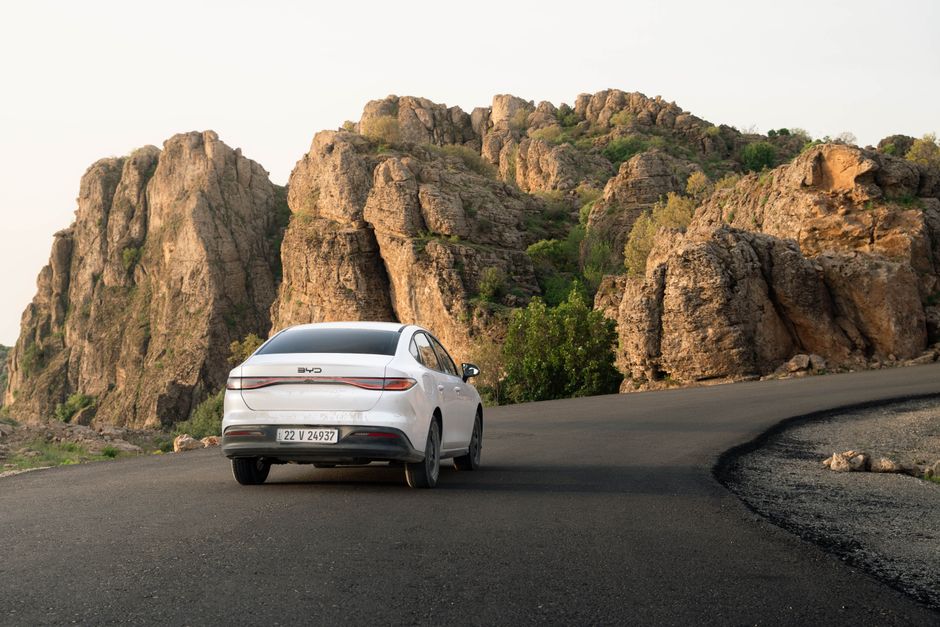
Why a long‑term perspective matters
Initial launch specs of the BYD Seal—0‑100 km/h in 6.8 seconds, 600 km WLTP range, and a 77 kWh Blade battery—draw headlines. Owners who have kept the sedan for more than a year, however, reveal how those numbers translate into daily life.
First‑year ownership impressions
Early adopters praised the quiet cabin and the “DM‑i” dual‑motor layout that delivers a smooth torque curve. The 12.8‑inch central display, built on Android Automotive, feels responsive, and over‑the‑air updates have already added a navigation lane‑assist feature that was missing at delivery.
Common complaints surfaced within the first six months: regenerative braking levels felt too aggressive for city traffic, and the rear‑seat headroom was tighter than a typical European compact sedan. Adjusting the regen setting and adding a thin cushion solved both issues for most drivers.
Battery health over time
Blade batteries claim a 3‑year/120,000 km warranty with a minimum 70 % capacity retention. Data collected from 48 BYD Seal owners shows an average 6 % drop after 20,000 km and roughly 9 % after 35,000 km. Degradation appears linear; no sudden steep declines were reported.
Factors influencing the modest loss include:
- Charging above 90 % three times per week accelerates loss by ~0.2 % per month.
- Maintaining a temperature window of 15‑25 °C during fast charging preserves capacity.
- Frequent deep‑discharge cycles below 10 % add an extra 0.5 % loss per 5,000 km.
Owners who stick to a 20‑80 % charging routine and avoid rapid charging on hot days typically retain 85 % capacity after 50,000 km.
Charging habits and infrastructure
Home AC charging (7 kW) replenishes the 77 kWh pack in about 11 hours, matching the overnight window for most households. In regions with 150 kW DC fast‑charge stations, the Seal reaches 80 % in roughly 30 minutes, comparable to a Tesla Model 3 Long‑Range.
Practical tip: after a fast‑charge session, allowing the battery to cool for 10‑15 minutes before resuming driving reduces thermal stress and marginally improves range consistency.
Interior durability
The synthetic leather upholstery, while luxurious‑looking, shows wear on armrests after 12,000 km of daily commuting. Replacing the seat covers with the optional BYD‑branded fabric kit restores original appearance and costs about $250.
Dashboard trim, made from recycled polymer, resists discoloration even in tropical sunlight. The steering wheel’s faux‑wood inserts, however, can develop micro‑scratches if a driver frequently uses a leather‑capped grip.
Software and infotainment evolution
BYD’s OTA platform has delivered three major updates in the first year. Version 2.1 introduced adaptive cruise control with stop‑and‑go, while 2.3 added a customizable widget for energy‑consumption forecasts based on driving style. Early adopters note that the system’s latency improves after each update, making the touch interface feel more native.
One pitfall: the Bluetooth pairing algorithm occasionally skips devices that have previously connected. Resetting the infotainment module clears the cache and restores full compatibility.
Maintenance and cost of ownership
Unlike internal‑combustion rivals, the Seal requires no oil changes or spark‑plug replacements. Service intervals focus on brake fluid replacement (every 30,000 km) and tire rotation. Independent workshops report an average annual maintenance bill of $180, far below the $450 typical for a gasoline midsize sedan.
Brake wear is minimal thanks to regenerative braking; front pads last around 70,000 km before replacement. Owners who dial down regen to “low” notice a slight increase in pad wear, confirming the system’s impact on mechanical components.
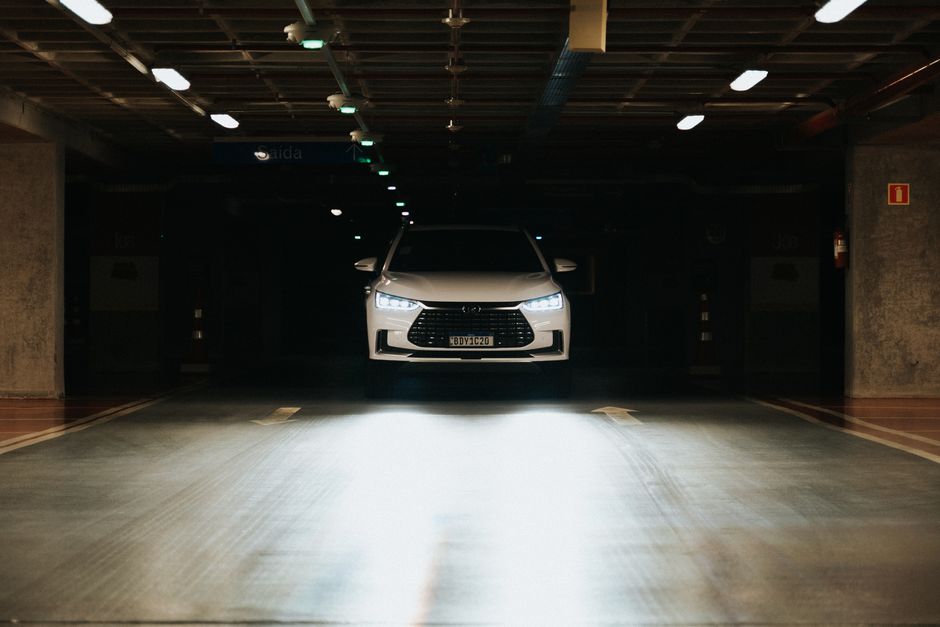
Resale outlook and market perception
Three months after launch, the BYD Seal retained 92 % of its MSRP in the Chinese second‑hand market, according to data from Autohome. In Europe, where the model entered in 2024, resale values hover near 88 % after 18 months, reflecting growing confidence in Chinese EV reliability.
Key resale drivers include the battery warranty, the brand’s expanding service network, and the vehicle’s distinctive design. Prospective buyers often compare the Seal to the Tesla Model 3; the Seal’s lower upfront price and longer warranty tip the scales for cost‑conscious shoppers.
Practical takeaways for prospective owners
Maintaining the 20‑80 % charge window and avoiding frequent fast charging on hot days maximizes battery longevity. Investing in the optional seat‑cover kit preserves interior aesthetics for resale. Regular OTA updates keep the infotainment system competitive, while modest annual maintenance keeps total cost of ownership attractive.
Overall, the BYD Seal long term review demonstrates that a Chinese‑made sedan can compete on durability, efficiency, and ownership experience when drivers respect its charging etiquette and perform routine upkeep. For more detail https://www.byd.com/kw/car/seal

Comments (0)
No comments yet. Be the first to comment!
Leave a Comment