Car shaking when braking is one of those symptoms that drivers tend to describe in the same sentence as “maybe the brakes are bad,” but the real cause is often narrower than that. The vibration can come through the steering wheel, the seat, or the whole body of the car, and each pattern points to a different part of the vehicle. That distinction matters, because replacing pads alone will not fix a warped rotor, and a brake job will not solve a worn suspension joint.
The useful way to approach the problem is to treat braking vibration as a diagnostic clue, not a single failure. If the car only shakes under light braking at highway speed, that usually points one way. If it shudders hard at low speed, or if the steering wheel trembles more than the pedal, the likely source changes. The goal is to identify where the force is being introduced, because braking loads almost every front-end component and can expose wear that normal driving hides.
What the vibration pattern is telling you
The first question is not “what part is bad?” but “where do I feel it?” A shake in the steering wheel usually suggests a front-end issue, because the front wheels do most of the braking and also transmit vibration directly to the steering system. A vibration in the seat or floor often points more toward the rear brakes, wheel balance, or driveline issues that become noticeable only when the car is decelerating.
Pay attention to when the symptom appears. A pulsing brake pedal often indicates rotor thickness variation, pad material transfer, or an issue in the hydraulic system. A steady shake that gets worse as speed rises may be related to wheel or tire problems that braking simply makes more obvious. If the car is smooth until the brakes are applied, then the brake system itself moves higher on the list. If it already vibrates while cruising, the brakes may just be exposing a preexisting wheel, tire, or suspension fault.
The most common brake-related causes
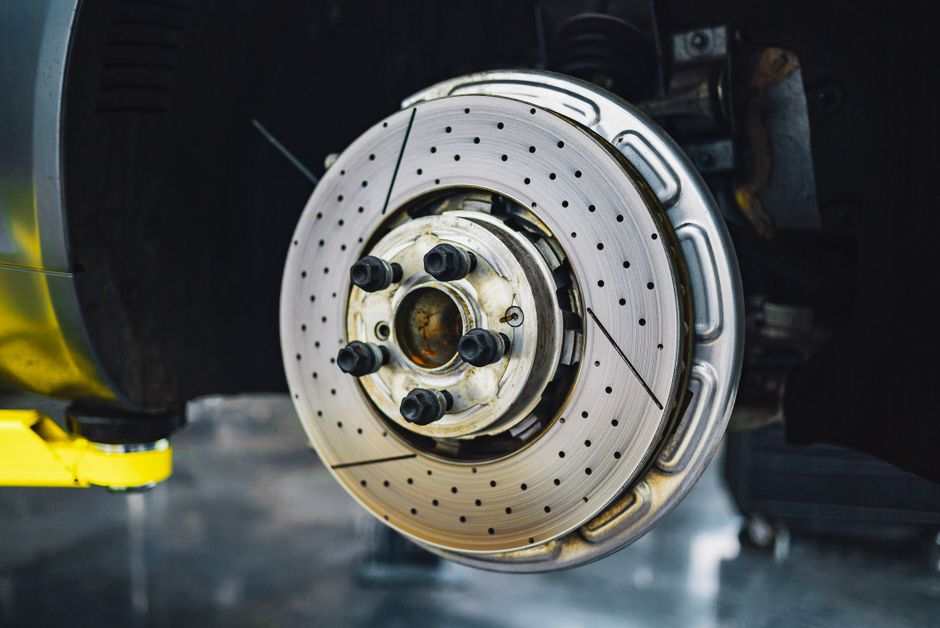
Rotor problems are the usual suspect, but “warped rotors” is often used too loosely. In many cases, the rotor is not literally bent; it has uneven thickness or uneven friction material deposited on the surface. That creates a changing braking force as the pads pass over the rotor, which the driver feels as a pulse or shake. This is why a rotor can seem fine by eye yet still cause vibration under load.
Brake pads can also contribute. If a pad overheats, glazes, or leaves uneven transfer material on the rotor, the braking surface becomes inconsistent. Cheap pads are not automatically the culprit, but poor bedding-in, aggressive stop-and-go driving, or towing can accelerate the problem. A fresh pad set installed on a rotor that already has runout or thickness variation often gives the illusion of improvement for a short time before the vibration returns.
Sticking calipers are less common but more serious. When a caliper piston or slide pin does not move freely, one pad may drag harder than the other. That can create uneven heat, pull the car to one side, and eventually produce a shake during braking. In severe cases, you may also notice a burning smell, one wheel much hotter than the others, or reduced fuel economy because the brake is partially applied even when you are not pressing the pedal.
Why the steering wheel shakes more than the rest of the car
If the steering wheel trembles while braking, the front axle is usually involved. The front brakes handle a large share of stopping force, so any inconsistency there is amplified through the steering column. A front rotor with thickness variation is a classic cause, but worn tie rods, ball joints, control arm bushings, or loose wheel bearings can make the symptom worse because they allow the wheel assembly to move under braking load.
That movement matters. Braking transfers weight forward, which increases stress on suspension parts that may feel acceptable during ordinary driving. A control arm bushing that seems merely tired can let the wheel shift just enough to create vibration when the brakes clamp down. In practice, this is why some drivers replace rotors and pads only to find the shake still present: the brake parts were reacting to a suspension problem rather than causing it.
When the issue is not really the brakes
Not every case of car shaking when braking comes from the brake system itself. Tire defects, bent wheels, and balance problems can show up most clearly when slowing down because the braking force changes how the wheel loads the road. A tire with uneven wear, a broken belt, or a wheel with a slight bend may be tolerable at steady speed but feel much worse during deceleration.
Wheel bearing wear is another possibility. A loose bearing can allow the wheel to wobble slightly, and braking increases the load on that wobble. The symptom is often more of a growl or hum combined with vibration, but in some cars it presents as a shake that seems to come and go. Driveline issues can also mimic brake vibration, especially on vehicles with rear-wheel drive or all-wheel drive, though those are usually accompanied by symptoms outside braking as well.
How to narrow it down without guessing
A practical diagnosis starts with a simple road test. Note the speed range where the vibration begins, whether it changes with light versus hard braking, and whether the steering wheel, pedal, or seat is the main source of the sensation. Then compare braking in a straight line with braking while turning gently. If the shake changes significantly during a turn, suspension or wheel bearing issues become more likely.
After the road test, inspect the basics in a logical order. Check tire pressure and look for uneven tire wear, bulges, or flat spots. Inspect the wheels for obvious bends or damage. Then look at the brakes: rotor surface condition, pad thickness, caliper movement, and brake hardware. A rotor that looks smooth can still be out of spec, so a proper measurement of rotor runout and thickness variation is more useful than visual inspection alone. If you do not have the tools to measure, a shop can confirm this quickly.
One practical mistake is replacing only the pads because they are the easiest visible wear item. If the rotor surface is inconsistent, the new pads will simply inherit the problem. Another common mistake is machining rotors that are already below minimum thickness or have heat damage. That may reduce vibration temporarily, but it can compromise braking performance and shorten the life of the repair.
How driving habits create the problem
Repeated hard braking, descending long hills with heavy loads, or towing can overheat rotors and pads enough to create vibration later. Heat changes the surface of the rotor and can leave uneven deposits where the pad sat against the rotor after stopping. That is why some cars shake after a mountain trip or a period of aggressive commuting even though they felt fine before.
Holding the brake pedal down firmly after a severe stop can also make the problem worse. If the rotor is extremely hot and the pad presses in one spot while the wheel is stationary, that area can end up with a different friction layer than the rest of the disc. Drivers often describe this as the brakes “warping overnight,” but the issue usually started with heat management and pad imprinting, not a sudden mechanical failure.
What a repair should actually address
A proper repair is based on the cause, not the symptom. If the rotors have thickness variation or heat spots, replacement is often the cleanest fix, especially if the car is older or the rotors are already near their wear limit. If the caliper slides are sticky, the hardware needs to be cleaned, lubricated, or replaced as needed. If suspension parts are loose, those should be repaired before or alongside the brake work, because otherwise the new brake components may never run true.
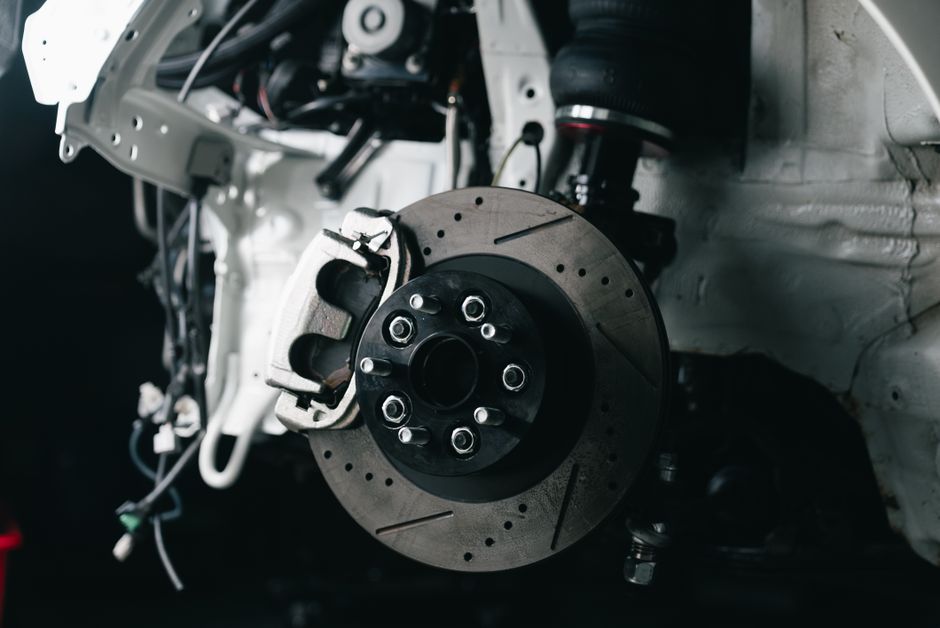
Good shops also pay attention to torque and installation details. Wheel nuts that are unevenly tightened can distort rotor seating and contribute to brake pulsation. Hub surfaces should be cleaned so the rotor sits flat. Brake hardware should move freely, and pads should be installed with the correct contact points lubricated where appropriate. These are not cosmetic steps; small installation errors can recreate the same shake that the new parts were meant to eliminate.
When it is safe to keep driving and when it is not
A mild vibration that appears only under light braking may not leave you stranded immediately, but it should still be checked soon. The concern is not only comfort. Any brake issue that creates vibration can also reduce stopping consistency, and that becomes more serious in wet weather, downhill driving, or emergency stops. If the car pulls sharply, the brake pedal sinks, or one wheel smells hot after a drive, the problem is more urgent.
If the steering wheel shakes violently, the brake pedal pulses hard, or the car feels unstable while braking, do not assume it is only a nuisance. Those symptoms can indicate a brake component that is overheating, a wheel that is loose, or suspension wear that is advanced enough to affect control. In those cases, a short trip to a repair shop is safer than trying to “see if it gets better.”
How to prevent the vibration from coming back
Prevention is mostly about reducing heat stress and keeping the braking system mechanically sound. Use quality pads and rotors matched to the vehicle’s weight and driving pattern. A commuter car does not need racing hardware, but it does need parts that can tolerate the way the car is actually driven. If you tow, carry heavy loads, or drive in mountainous areas, choose components designed for higher thermal demand.
Routine inspections matter more than many drivers expect. Catching a sticking caliper pin, a torn suspension bushing, or uneven pad wear early can prevent the kind of rotor damage that leads to repeated vibration. After brake work, proper bedding-in helps the pad and rotor establish an even friction layer. That process is often skipped in casual repairs, yet it can be the difference between a brake job that lasts and one that starts shaking again within months.
For drivers who have already experienced car shaking when braking once, the best habit is to pay attention to small changes. A slight pulse in the pedal, a faint steering-wheel tremor, or a new noise under braking is often the earliest warning. Catching the issue early usually means one rotor set, one caliper service, or one suspension repair. Ignoring it tends to turn a focused fix into a broader and more expensive front-end job.
The symptom is frustrating because it feels dramatic, but the diagnosis is usually methodical. The car is not “just old” and the brakes are not automatically the only problem. Once you separate where the vibration is felt, when it happens, and what changes it, the list of likely causes becomes much shorter. That is the point at which a repair stops being guesswork and starts being a targeted fix.

Comments (0)
No comments yet. Be the first to comment!
Leave a Comment