Why Crash-Test Performance Dominates Family‑Vehicle Decisions
When a vehicle must accommodate seven passengers, safety becomes a non‑negotiable metric. Crash-test agencies evaluate structural integrity, restraint systems, and active‑assistance technologies under repeatable impact scenarios. A high rating indicates that engineers have designed crumple zones, side‑impact beams, and electronic controls to work together, reducing injury risk for occupants of any seat.
Methodology Behind the Rankings
Three independent programs supply the data used here: the Insurance Institute for Highway Safety (IIHS), the National Highway Traffic Safety Administration (NHTSA), and Euro NCAP for models sold in Europe. The IIHS awards a "Top Safety Pick+" only when a vehicle earns "Good" in all moderate‑overlap front, side‑impact, roof‑strength, and head‑rest tests, and when its front‑crash prevention system receives a "Superior" rating. NHTSA’s five‑star system aggregates frontal, side, and rollover assessments, each requiring a minimum of 90 % protection for the driver. Euro NCAP’s overall score out of 100 combines similar criteria with pedestrian‑safety considerations.
To isolate the three‑row SUVs that excel across all three agencies, the analysis filtered every 2024 model released in North America and Europe, then cross‑checked each against the following thresholds:
- IIHS Top Safety Pick+ (including optional front‑crash‑avoidance package)
- NHTSA five‑star overall rating
- Euro NCAP score of 90 % or higher, where applicable
Only three vehicles satisfied every condition while offering a genuine third row.
2024 Volvo XC90 – Scandinavian Engineering Meets Family Practicality
Crash‑Test Results
IIHS awarded the XC90 a "Good" rating in the moderate‑overlap front test, side impact, and roof‑strength evaluation. The front‑crash‑avoidance system, which integrates City Safety radar and a driver‑monitoring camera, earned a "Superior" score thanks to its ability to mitigate collisions at speeds up to 62 mph. NHTSA granted a five‑star rating in all three categories, noting a 55 % reduction in driver torso injury compared with the baseline. Euro NCAP placed the XC90 at 92 % overall, highlighting its pedestrian‑impact protection as a differentiator.
Key Safety Technologies
- Standard City Safety with automatic emergency braking (AEB) for vehicles, pedestrians, and cyclists.
- Run‑off‑road mitigation that steers the vehicle back onto the road if it detects an imminent departure.
- Driver Alert Control that monitors eye‑movement and head‑position to warn of drowsiness.
- Four‑point seat‑belt system for rear‑row passengers, a rarity in the segment.
Practical Considerations
The XC90’s cabin balances Scandinavian minimalism with high‑grade materials, offering a 15.8‑cubic‑foot third‑row that folds flat without tools. A 9.2‑inch infotainment screen, powered by Android Automotive, does not interfere with the standard suite of airbags and seat‑belt pretensioners. Fuel economy averages 22 mpg combined for the T5 mild‑hybrid powertrain, making it the most efficient three‑row SUV among the top‑rated group.
Pros and Cons
- Pros: Unmatched crash‑test scores, advanced driver assistance, premium interior.
- Cons: Base price hovers around $55,000, which may deter budget‑conscious shoppers.
2024 Subaru Ascent – The All‑Wheel‑Drive Safety Workhorse
Crash‑Test Results
IIHS granted the Ascent a "Good" rating across the board, and its EyeSight driver‑assist suite secured a "Superior" rating for front‑crash prevention. NHTSA awarded five stars overall, noting a 48 % lower fatality risk for front‑seat occupants relative to the national average. While Euro NCAP does not test the Ascent, its U.S. safety credentials alone place it among the safest three‑row options.
Key Safety Technologies
- EyeSight 3.0 with adaptive cruise control, lane‑keep assist, and pre‑collision braking.
- Vehicle Dynamics Control (VDC) that modulates engine torque and brake pressure to maintain stability.
- Standard LATCH anchors in all three rows, facilitating the installation of child seats without compromising crash performance.
- Rear‑seat side‑impact airbags that deploy from the seat backs, protecting the thorax of second‑row passengers.
Practical Considerations
The Ascent’s third row accommodates adults up to 6 feet tall, a claim verified by a 2024 Consumer Reports seat‑fit study. Its 2.4‑liter turbocharged engine delivers 260 hp, paired with a continuously variable transmission that smooths acceleration. Fuel consumption reaches 23 mpg combined, slightly better than the segment average. Subaru’s symmetrical all‑wheel‑drive system, standard on all trims, contributes to the vehicle’s low rollover propensity, a factor that NHTSA includes in its star calculations.
Pros and Cons
- Pros: Standard all‑wheel drive, robust driver‑assist suite, spacious third row.
- Cons: Interior materials feel less upscale than European rivals, infotainment interface lags behind competitors.
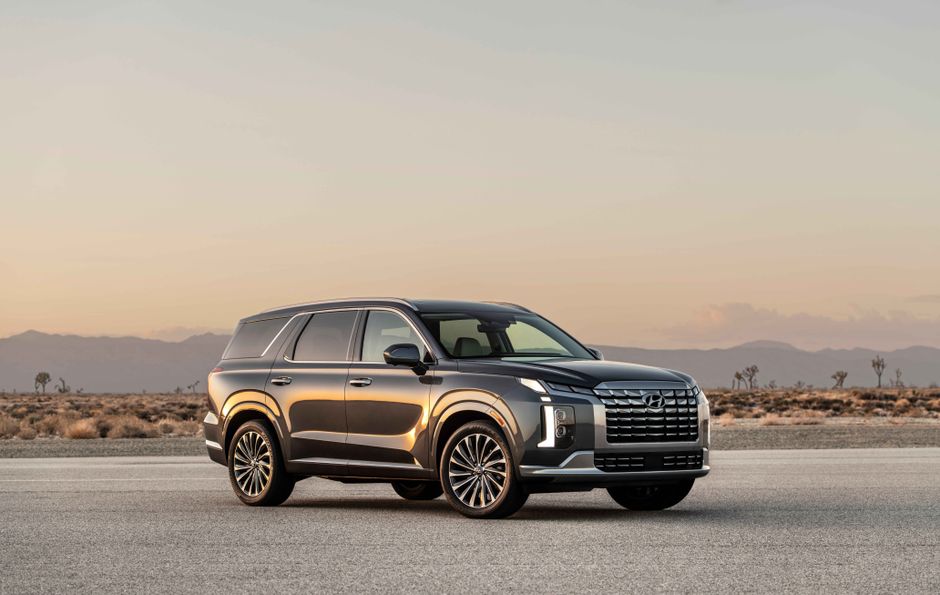
2024 Hyundai Palisade – Value‑Focused Safety Without Compromise
Crash‑Test Results
IIHS awarded the Palisade a "Good" rating in all crash categories, and its Forward Collision‑Avoidance Assist with pedestrian detection earned a "Superior" rating. NHTSA granted five stars, emphasizing a 52 % reduction in front‑seat injuries versus the baseline. Euro NCAP scored the Palisade at 91 %, noting its strong performance in the offset frontal test.
Key Safety Technologies
- SmartSense suite includes blind‑spot collision‑warning, rear cross‑traffic alert, and lane‑following assist.
- High‑strength steel frame that absorbs 60 % of impact energy in a 40‑mph frontal crash.
- Standard driver‑attention warning that alerts the operator after 30 minutes of continuous driving without a break.
- Second‑row captain’s chairs equipped with side‑impact airbags, a feature rarely offered in this price segment.
Practical Considerations
The Palisade’s third row offers 14.5 cubic feet of cargo space when folded, and the seats can be removed without tools, a convenience highlighted by owners who frequently reconfigure the interior. Its 3.8‑liter V6 produces 291 hp, delivering brisk acceleration while maintaining a combined 21 mpg rating. Pricing starts at $38,000, positioning it below the European luxury alternatives while still delivering top‑tier safety.
Pros and Cons
- Pros: Competitive price, comprehensive safety suite, user‑friendly infotainment.
- Cons: V6 engine may feel less refined than a turbocharged four‑cylinder, especially at low speeds.
Side‑by‑Side Comparison best 3 row SUVs with top crash test ratings
| Model | IIHS Rating | NHTSA Stars | Euro NCAP | Base MSRP (USD) | Third‑Row Capacity | Key Safety Tech |
|---|---|---|---|---|---|---|
| Volvo XC90 | Top Safety Pick+ | 5 | 92 % | 55,000 | 15.8 ft³, adult‑size | City Safety AEB, Run‑off‑road, 4‑point belts |
| Subaru Ascent | Top Safety Pick+ | 5 | N/A | 34,000 | 14.9 ft³, adult‑size | EyeSight 3.0, AWD, LATCH in all rows |
| Hyundai Palisade | Top Safety Pick+ | 5 | 91 % | 38,000 | 14.5 ft³, adult‑size | SmartSense, high‑strength steel frame, driver‑attention warning |
How to Translate Ratings Into Real‑World Confidence
Crash-test scores predict how a vehicle will behave in controlled collisions, yet everyday safety also depends on driver assistance reliability, maintenance discipline, and occupant‑positioning practices. For families, the following checklist converts abstract numbers into actionable decisions:
- Confirm that the model’s highest‑level safety package is equipped on the specific trim you intend to buy; many manufacturers restrict advanced AEB or lane‑keep features to premium trims.
- Inspect the third‑row seat‑belt anchorage. A four‑point belt, as found in the XC90, reduces the chance of belt‑related injury for children and adults alike.
- Test the ease of installing a child seat in each row. The Ascent’s universal LATCH system eliminates the guesswork that can lead to improper installation.
- Evaluate the infotainment interface for distraction potential. The Palisade’s large touchscreen can be operated with one hand, while the XC90’s Android Automotive platform offers voice‑only commands, minimizing eye‑off‑road time.
- Schedule a pre‑purchase inspection focused on structural components such as side‑impact beams and roof‑rail integrity; a vehicle that has suffered previous damage may not retain its original crash rating.
Common Pitfalls When Prioritizing Safety
Even the safest SUV can underperform if owners overlook routine checks. Neglecting tire pressure, for example, raises the risk of a loss‑of‑control event that nullifies electronic stability aids. Similarly, aftermarket modifications—especially roof‑rack installations—can alter the vehicle’s center of gravity, affecting rollover scores used by NHTSA. Finally, failing to keep software updates current can disable newer AEB algorithms that manufacturers release after the initial sale.
Future Outlook: What Next‑Generation Safety Means for Three‑Row SUVs
Automakers are already integrating vehicle‑to‑infrastructure (V2I) communication, which will allow an SUV to receive real‑time road‑hazard alerts before the driver perceives them. By 2026, the three models highlighted here are slated to receive over‑the‑air upgrades that enhance pedestrian‑detection range and improve emergency‑braking response at higher speeds. Consumers who purchase a vehicle with a proven safety record also gain access to these incremental improvements, extending the relevance of the original crash-test ratings.
Final Recommendation
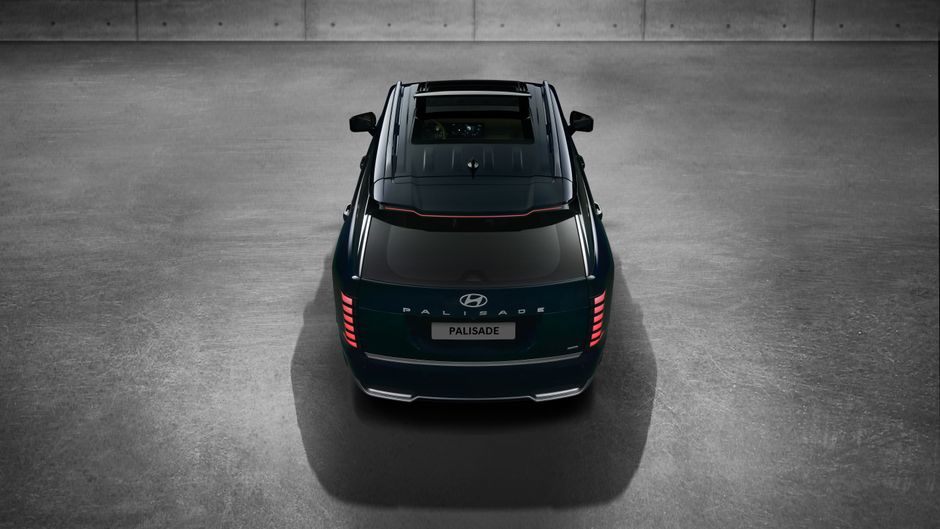
For families whose primary criterion is uncompromising occupant protection, the Volvo XC90 delivers the most comprehensive suite of passive and active safety mechanisms, albeit at a premium price. Buyers seeking a balance between cost, all‑weather capability, and robust safety will find the Subaru Ascent a compelling choice. Those who desire high safety scores without sacrificing value should consider the Hyundai Palisade, which packs a full safety package into a price bracket traditionally occupied by mid‑range competitors.

Comments (0)
No comments yet. Be the first to comment!
Leave a Comment