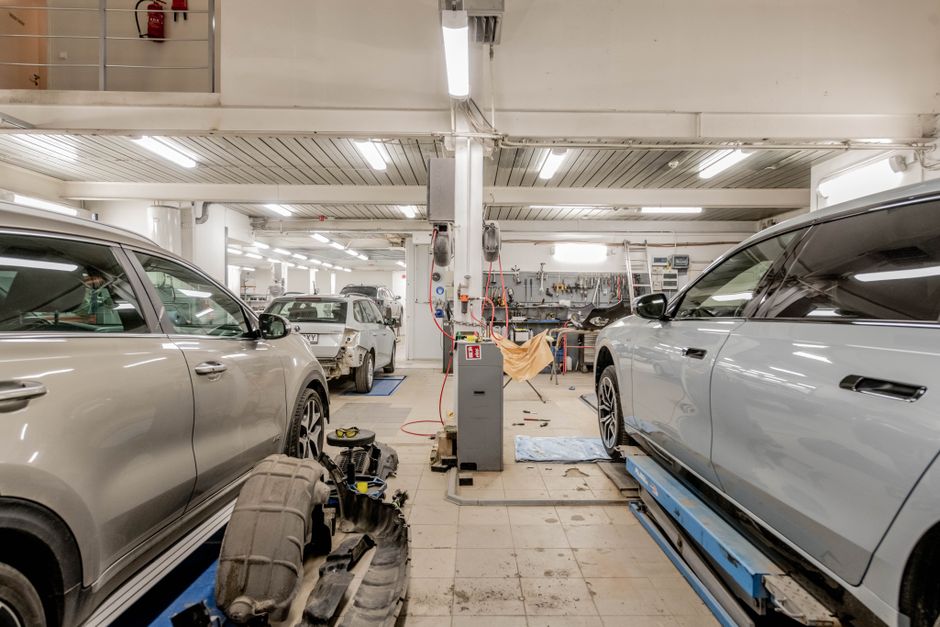
When signs your car needs service?
Engine Performance Indicators
When a combustion engine begins to lose power under load, the symptom often masquerades as casual hesitation. A driver may notice a sluggish response while climbing a hill or merging onto a highway, yet the tachometer may still read within normal ranges. This mismatch signals a compromised air‑fuel mixture, typically caused by a dirty mass airflow sensor or a partially clogged fuel injector. Cleaning the sensor or performing a fuel‑system flush can restore the expected torque without replacing major components.
- Rough idle that fluctuates more than one‑second intervals
- Engine stalls when the accelerator is released
- Excessive fuel consumption accompanied by a strong gasoline odor from the exhaust
Transmission and Drivetrain Clues
Automatic gearboxes reveal wear through delayed shifts and harsh engagement. If the vehicle hesitates before changing from park to drive, the hydraulic clutch may be low on fluid or the valve body could be clogged with metal shavings. Manual transmissions exhibit grinding when the synchros fail to align gear speeds, a condition often preceded by a faint whining noise that intensifies with each gear change. Addressing these cues early prevents costly rebuilds.
- Slipping during acceleration—engine revs rise while speed remains static
- Gear‑shift lever feels loose or sticks in intermediate positions
- Unusual clunk when engaging reverse
Brake System Warnings
Brake fade is not merely a symptom of worn pads; it can indicate fluid contamination or a failing master cylinder. A driver who feels a soft pedal after a prolonged descent may be experiencing air bubbles in the brake lines, which reduce hydraulic pressure. Bleeding the system restores firmness, but repeated occurrences suggest a seal that needs replacement.
- Pulsating brake pedal during prolonged stops
- Squealing that persists after pad replacement
- Visible fluid seepage around the wheel cylinder or caliper
Electrical and Lighting Alerts
Modern vehicles rely on a network of sensors that communicate via CAN bus. A dimming headlamp that does not improve after cleaning the lens often points to a weak alternator voltage output. Measuring the battery voltage while the engine idles should reveal around 13.8 V; any lower reading warrants alternator testing. Additionally, intermittent dashboard illumination can stem from a corroded ground strap, a detail overlooked during routine inspections.
- Flickering interior lights despite fresh bulbs
- Power windows moving slower than usual
- Audio system resetting after short drives
Fluid Leak Signals
Oil, coolant, and transmission fluid each possess distinct colors and viscosities. A low‑viscosity, milky coolant indicates a blown head gasket, while a dark, sludge‑like oil suggests engine wear. Spotting a steady drip on the garage floor, even if the puddge is small, can prevent overheating. Using a UV dye mixed into the fluid allows precise leak location during the next service.
- Sweet smell near the radiator area
- Red or pink stains on the undercarriage
- Burnt oil odor after a short trip
Unusual Noises and Vibrations
A high‑pitched squeal that appears only when braking points to a worn wear‑indicator shim on the pad. Conversely, a low‑frequency thump synchronized with wheel rotation often originates from an unbalanced tire or a worn wheel bearing. Diagnosing the source requires isolating each wheel while the vehicle is lifted, then listening for changes as the engine speed varies.
- Knocking from the engine block at idle
- Rattling from the front end during tight turns
- Windshield wiper motor humming without blade movement
Exhaust and Emissions Red Flags
A sudden increase in exhaust smoke density signals a combustion anomaly. Blue smoke typically denotes oil burning, while white vapor suggests coolant ingress. Modern OBD‑II systems flag catalytic converter efficiency loss with a P0420 code, prompting a sensor check before replacing the costly converter. Simple spark‑plug inspection can often resolve the issue.
- Engine misfire that coincides with a check‑engine light
- Foul odor reminiscent of rotten eggs
- Reduced fuel economy after a cold start
Tire and Suspension Feedback
Uneven tread wear, such as feathering on one side, reveals misaligned wheels. Alignment drift often follows a hard impact like a pothole strike, yet drivers may not associate the two events. A suspension component, such as a strut, shows wear when the vehicle continues to bounce after releasing the brake from a stop. Replacing the strut restores ride comfort and prevents premature tire wear.
- Pulling to one side while maintaining a straight steering wheel
- Vibrations felt only at higher speeds
- Noise from the rear when loading the vehicle
Dashboard and Sensor Messages
Beyond the generic “check engine” alert, specific codes like O2 sensor failures or EVAP system leaks provide actionable clues. A driver equipped with a handheld scanner can read these codes, cross‑reference them with the service manual, and decide whether a simple sensor replacement suffices. Ignoring these messages often leads to secondary damage, such as fuel‑system contamination.
- Battery‑charge warning illuminated while the engine runs
- ABS light flashing during hard braking
- Engine temperature gauge hovering below normal after warm‑up

When to Seek Professional Diagnosis
Some symptoms, like intermittent power loss combined with a whirring noise from the front axle, hint at a failing CV joint that requires specialized tools for disassembly. Attempting a DIY replacement without proper press equipment can damage the axle housing. In such cases, a qualified mechanic can perform a chassis dynamometer test to verify torque output, ensuring the repair addresses the root cause.
Recognizing these nuanced signs empowers owners to schedule service before a minor issue escalates into a costly repair. Regularly logging mileage, fluid levels, and observed anomalies creates a personal maintenance history that technicians can reference, reducing diagnostic time and improving repair accuracy.

Comments (0)
No comments yet. Be the first to comment!
Leave a Comment