Best off road accessories for Ford F-150 : Why a Dedicated Off‑Road Kit Matters
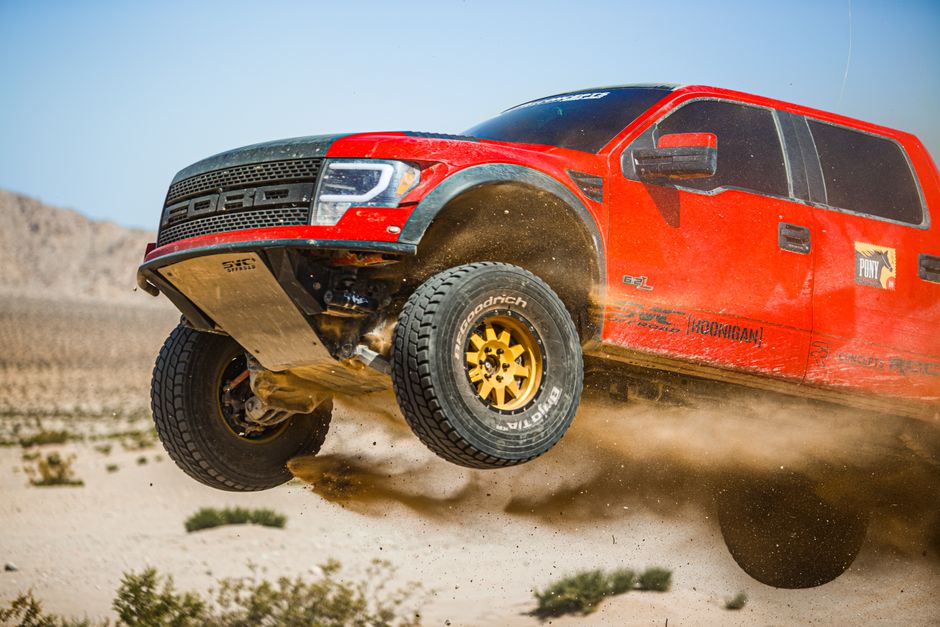
Owners who push a Ford F‑150 beyond paved streets quickly discover that stock components are tuned for comfort, not rugged terrain. A purpose‑built kit reshapes suspension geometry, protects vulnerable under‑body parts, and supplies the lighting needed for low‑visibility trails. When each component works in concert, the truck retains its on‑road manners while gaining the confidence to climb rocks, ford streams, and haul gear without surprise failures.
Lift Kit – Gaining Ground Without Compromise
Choosing a lift kit starts with the intended use. A 2‑inch spacer kit, such as the Bilstein 5100, adds clearance for larger tires while preserving factory ride quality. For serious rock crawling, a 4‑inch suspension lift with long‑travel shocks (e.g., Fox 2.0 Performance) expands wheel travel by up to 30 %, reducing axle articulation limits. Installation demands proper torque on the upper control arms and recalibration of the speedometer to avoid mileage errors.
All‑Terrain Tires and Wheels
Off‑road tires are the only contact point that can translate suspension upgrades into traction. The Falken Wildpeak A/T 3‑S is a popular choice because its 33‑inch diameter balances on‑road stability with aggressive tread. Pairing the tire with a 17‑inch forged wheel reduces unsprung weight, which improves handling on uneven surfaces. Always match the tire’s load rating (at least 4,300 lb for a 2022 F‑150) to the truck’s GVWR to prevent premature sidewall fatigue.
Heavy‑Duty Skid Plates
Metal under‑body components are the first to encounter rocks and debris. A set of 3 mm steel skid plates from ARB covers the transfer case, front differential, and fuel tank. The plates mount with captive bolts that thread into factory‑drilled holes, eliminating the need for drilling new mounting points. After installation, spray a high‑temperature silicone lubricant on the bolt threads; this prevents corrosion that could seize the plates during a hard off‑road impact.
Winch and Recovery Gear
A 12 kW electric winch, such as the Warn Zeon 12‑S, provides enough pull to extract a 3,200 lb F‑150 from a 30‑degree incline. Pair the winch with a synthetic rope (minimum 1.5 in. diameter) to halve the weight compared with steel cable, making it easier to carry on‑board. A quick‑release shackle and a snatch block complete the recovery kit, allowing the winch to function as a pull‑through device for vehicle‑to‑vehicle assists.
LED Light Bar and Spotlights
Visibility on night trails hinges on luminous intensity and beam control. A 12‑inch, 5,000‑lumens LED light bar mounted on the front bumper delivers a wide flood pattern, while a pair of 1,200‑lumens spotlights mounted on the grille provide a focused 50‑degree beam for spotting obstacles ahead. Wiring the lights through a dual‑circuit relay protects the truck’s alternator from overload and simplifies installation with a single fuse block.
Rock Sliders and Bumpers
Instead of relying solely on the stock bumper, a set of tubular rock sliders absorbs impact when the F‑150 rides low over obstacles. The sliders, fabricated from 1.75‑inch wall‑thick steel, feature a removable rubber pad that can be replaced after a hard hit, preserving the underlying frame. Coupled with a reinforced front bumper—often a steel “pro‑bumper” with integrated winch mount—the combination safeguards both the front fascia and the radiator core.
Differential Lockers and Transfer Case Upgrade
Factory limited‑slip differentials struggle on loose surfaces where one wheel spins freely. Installing an electronic locker, such as the Eaton E-Locker, allows the driver to engage a full‑lock condition with a push‑button on the dash, delivering equal torque to both wheels. For serious trail work, swapping the stock 2‑speed transfer case for a 4‑speed unit (e.g., New Process 242) introduces a low‑range gear ratio of 2.72:1, multiplying torque at the wheels and improving crawl ability.
Maintenance Tips to Preserve Your Investment
After each off‑road outing, inspect the lift components for bent control arms and check the shock absorbers for fluid leaks. Clean the skid plates with a pressure washer set below 2,000 psi to avoid warping the steel. Re‑torque all lug nuts to the manufacturer’s specification (typically 150 lb‑ft for a 2022 F‑150) after mounting new tires, as the added sidewall flex can shift torque over time.

Comments (0)
No comments yet. Be the first to comment!
Leave a Comment