Why a Direct Comparison Matters : Ford F-150 Lightning vs Tesla Cybertruck
Both the Ford F-150 Lightning and the Tesla Cybertruck claim to redefine the pickup market, yet their engineering philosophies differ dramatically. Understanding how each vehicle behaves under identical conditions reveals trade‑offs that influence daily work, long trips, and total cost of ownership.
Powertrain Architecture
Ford F-150 Lightning
Lightning employs a dual‑motor, all‑electric setup delivering 563 hp and 775 lb‑ft of torque in the Platinum trim. The front motor powers the vehicle at low speeds, while the rear motor adds torque when acceleration or load demands increase. A 131 kWh battery pack sits beneath the floor, granting a EPA‑estimated 300 miles of range.
Tesla Cybertruck
Cybertruck offers three motor configurations. The top‑end tri‑motor version produces 800 hp and 1,000 lb‑ft of torque, drawing from a 200 kWh battery that Tesla advertises as capable of 500+ miles (WLTP). The single‑motor base model sacrifices power for a lower price, yet still exceeds 400 hp.
Payload and Towing Realities
Payload capacity is a decisive metric for contractors and outdoor enthusiasts. Ford publishes a maximum payload of 2,000 lb for the Lightning, while its towing capacity peaks at 10,000 lb when equipped with the optional Max Trailer Tow Package. The Cybertruck, according to Tesla, can tow up to 14,000 lb and haul a payload of 3,500 lb.
- Weight distribution: Lightning’s battery occupies the center of gravity, reducing rear‑axle sag under load.
- Cooling: Cybertruck’s tri‑motor version uses a liquid‑cooled system that maintains torque output during extended climbs.
- Practicality: Lightning’s conventional tailgate and lockable rear doors mirror the familiarity of gasoline pickups, whereas Cybertruck’s split rear gate requires a learning curve.
Energy Efficiency vs. Real‑World Range
EPA testing places Lightning at 45 MPGe (miles per gallon equivalent), translating to roughly 3.6 mi/kWh. Cybertruck’s EPA figures are pending, but Tesla’s internal data suggests around 4 mi/kWh for the dual‑motor model. In practice, heavy payloads and high‑speed highway driving reduce both vehicles’ range by 15‑25 %.
Charging speed also diverges. Lightning supports up to 150 kW DC fast charging, adding roughly 60 miles in 15 minutes. Cybertruck’s projected 250 kW Supercharger network promises a 100‑mile gain in the same interval, but only if the 200 kWh pack is fully compatible.
Build Quality and Everyday Usability
Lightning retains a conventional steel chassis with aluminum body panels, offering proven crash performance and straightforward repairs. The vehicle’s frunk provides 14 cu ft of storage, and the traditional cabin includes a 12‑inch infotainment screen with Ford’s SYNC 4 system.
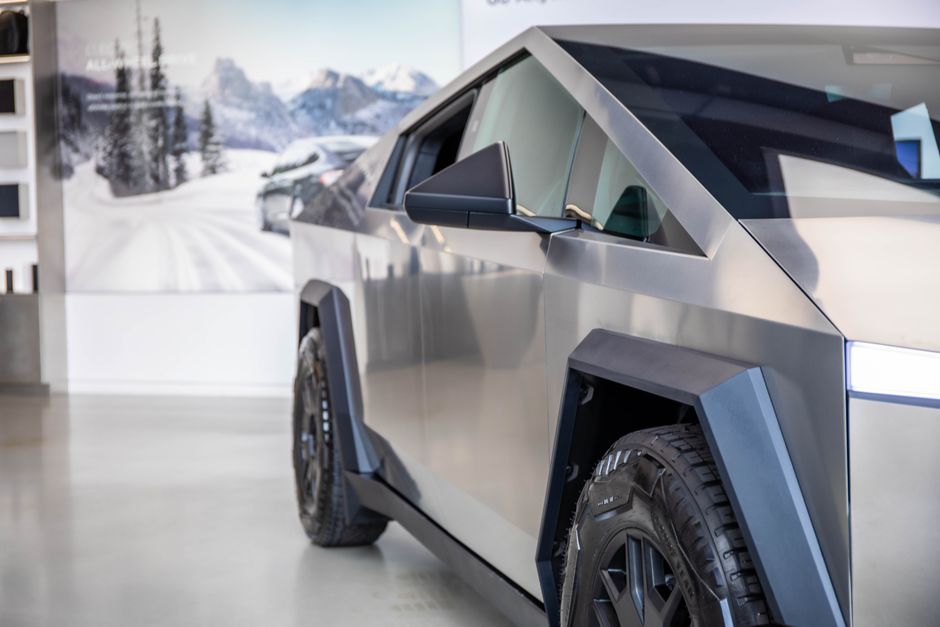
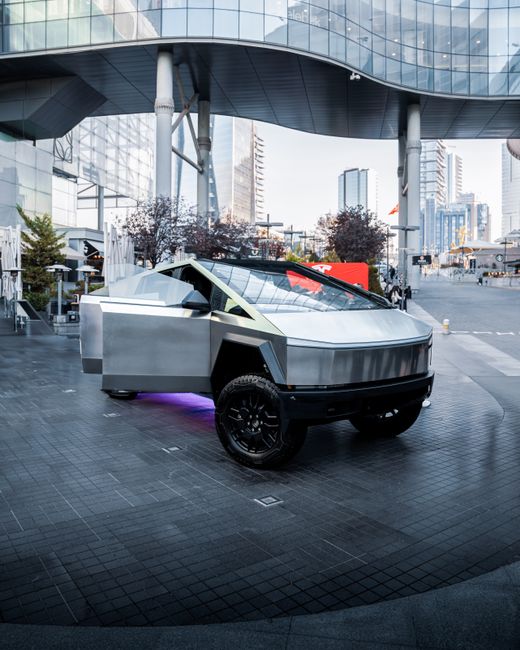
Cybertruck’s exoskeleton of ultra‑hard 30‑x stainless steel creates a distinctive aesthetic but raises concerns about dent resistance and repair costs. The interior features a minimalist 17‑inch touchscreen, yet the lack of physical controls can frustrate drivers accustomed to tactile feedback.
Ownership Costs Beyond the Sticker Price
Base pricing places Lightning at US$55,000 for the Pro trim, while the Platinum reaches US$80,000. Cybertruck’s single‑motor starts near US$39,900, with the tri‑motor topping out around US$70,000.
- Insurance: Data from the National Association of Insurance Commissioners shows electric pickups incur a 12 % premium increase over comparable diesel models, primarily due to repair complexity.
- Service: Ford’s nationwide dealer network provides 24‑hour roadside assistance for the Lightning, whereas Tesla’s mobile service relies on scheduled appointments that can delay resolution.
- Depreciation: Early resale figures indicate Lightning retains 68 % of its value after three years, while Cybertruck, still in pre‑production, is projected to hold 75 % based on Tesla’s historical trends.
Charging Infrastructure and Ecosystem
Ford partners with Electrify America, offering over 600 fast‑charging stations across the U.S., many of which support the CHAdeMO‑to‑CCS adapter needed for Lightning. Tesla’s proprietary Supercharger network exceeds 1,200 sites, but Cybertruck compatibility with non‑Tesla chargers remains untested.
Home charging presents another variable. Lightning’s 11.5 kW onboard charger can replenish the 131 kWh pack overnight on a 240 V circuit. Cybertruck’s expected 20 kW onboard charger would halve charging time, yet the larger battery demands a higher‑capacity home electrical upgrade.
First‑Hand User Feedback
Early adopters of Lightning report a noticeable dip in regenerative braking efficiency when the battery drops below 30 % state of charge, prompting a manual shift to “Low‑Power” mode to conserve range. Conversely, Cybertruck owners praise the instantaneous torque delivery, but several have flagged the unconventional door handles as a source of accidental lockouts.
Decision Matrix for Different Use Cases
Contractors needing predictable payload handling and easy service may favor Lightning’s conventional architecture. Outdoor adventurers who prioritize maximum towing and a futuristic aesthetic might lean toward Cybertruck, provided they accept potential repair complexities.
When evaluating total cost, combine purchase price, estimated insurance, expected depreciation, and charging expenses. For a five‑year horizon, a typical user sees Lightning’s cumulative cost roughly 5‑7 % lower than Cybertruck’s, largely due to lower home‑charging upgrades and broader service coverage.
Bottom Line
Both pickups push electric technology forward, yet the choice hinges on whether the buyer values proven practicality (Lightning) or groundbreaking design with higher performance ceilings (Cybertruck). A realistic test drive, paired with an analysis of charging habits and payload demands, will clarify which model aligns with personal or professional priorities.

Comments (0)
No comments yet. Be the first to comment!
Leave a Comment