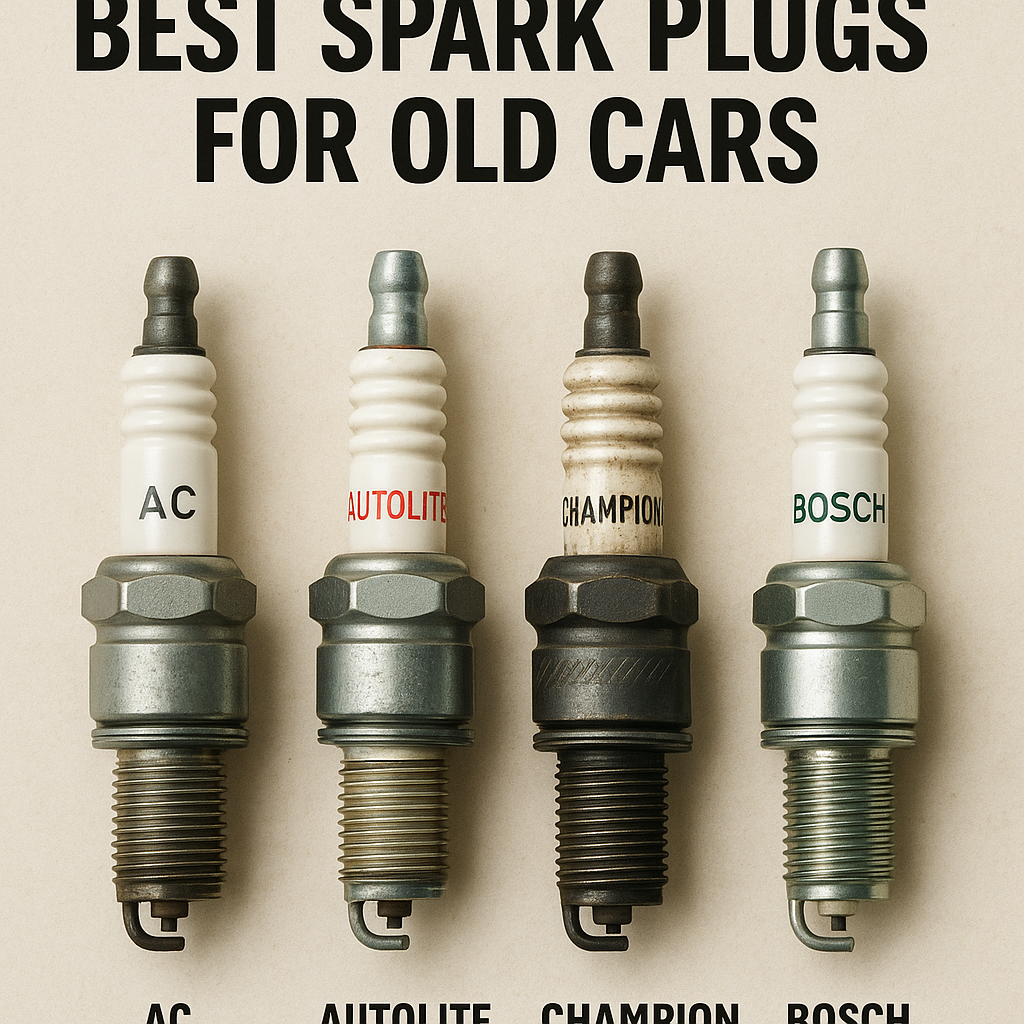
Choosing the best spark plugs for old cars is less about chasing the newest product on the shelf and more about matching the plug to the engine’s age, fuel system, and ignition setup. A classic four-cylinder with a weak coil, a carbureted V8 that runs a little rich, and a restored daily driver that sees modern traffic all ask for different things from the plug. The wrong choice can show up as hard starting, lazy throttle response, or a plug that fouls long before its time.
What makes this topic tricky is that older engines were often designed around different combustion temperatures, lower ignition energy, and fuel formulations that no longer exist. A plug that looks “better” on paper may not be better in the car. For many old engines, the smartest choice is the plug that matches the original heat range and electrode style closely, then adjusts only if the engine’s condition clearly demands it.
Start with the engine, not the brand
Before comparing brands, identify the engine’s basic needs. The factory service manual, a reliable parts catalog, or an OEM cross-reference usually tells you more than marketing copy. The key details are heat range, thread size, reach, seat type, and whether the ignition system benefits from a resistor plug. If any of those are wrong, even an expensive plug can perform badly.
Older engines often tolerate a wider range of plugs than modern high-compression engines, but “tolerate” is not the same as “run well.” A plug that is too hot can cause pre-ignition or detonation under load. A plug that is too cold may never clean itself properly and can foul in city driving. In a car that sees short trips, cold starts, and long idling, fouling is one of the most common complaints.
What plug design usually works best in classic engines
For most old cars, a conventional copper-core plug is the safest starting point. Copper-core plugs are not exotic, but they transfer heat well and tend to behave predictably in older ignition systems. That predictability matters when the coil, wires, distributor cap, and carburetor are all decades old or recently rebuilt with mixed parts.
Platinum and iridium plugs are not automatically wrong for old cars, but they are not always the best answer either. Their fine-wire electrodes can help with longevity and easier starting in some engines, especially those driven regularly. The trade-off is that many classic engines were not designed to take advantage of their long service life, and some owners never keep the car long enough to benefit from the extra lifespan. In a weekend car, the practical value is often lower than the price suggests.
When a standard plug beats a premium one
- If the engine has a carburetor and a traditional distributor ignition.
- If the car is driven infrequently and plug changes are part of regular maintenance anyway.
- If the ignition system is not in perfect condition and needs a forgiving, easy-to-read plug.
- If you want to diagnose mixture or oil-burning issues from the plug’s appearance.
Heat range matters more than most people think
Heat range is the part that separates a good recommendation from a guess. A plug’s heat range describes how quickly it moves heat away from the firing tip into the cylinder head. That affects whether the plug stays hot enough to burn deposits or gets too hot and risks damage. Classic engines often run best with the heat range the factory specified, even if a modern parts counter suggests a “better” substitute.
If an old engine burns a little oil, spends time idling, or runs rich, a slightly hotter plug is sometimes used to reduce fouling. If the engine has been modified with higher compression, more timing, or a hotter ignition system, a colder plug may be safer. The point is not to chase a universal rule; the point is to match the plug to how the engine actually behaves now, not how it behaved fifty years ago.
Why old ignition systems can be picky
Many older cars use breaker points, older coils, and long plug wires that do not deliver the same spark energy as modern systems. Those engines often prefer a plug with a larger, more conventional electrode because it is easier for a weaker ignition system to fire consistently. A fine-wire plug can work, but only if the rest of the ignition system is healthy.
Misfires in old cars are often blamed on the plug when the real issue is elsewhere. Worn distributor bushings, weak condensers, cracked wires, poor grounds, and incorrect timing can all make a good plug look bad. If the car has a persistent plug-fouling problem, replacing plugs alone usually treats the symptom, not the cause.
Reading the spark plug after a few drives
The best way to know whether a plug choice is right is to inspect it after real driving, not just after idling in the driveway. A healthy plug in an old gasoline engine usually shows a light tan to grayish deposit pattern, depending on fuel, timing, and driving style. Sooty black deposits often point to a rich mixture, weak spark, or too-cold heat range. Wet oil on the threads or insulator suggests a mechanical issue, not just a bad plug selection.
One mistake I see often is people changing plug type after a single cold-start test. That tells you almost nothing. Old engines need a few heat cycles and a mix of city and road use before the plug’s real behavior becomes visible. If you are tuning an older car, keep notes on idle quality, starting, fuel smell, and plug appearance after each change. That makes the diagnosis much more reliable than guessing from one symptom.
Practical buying advice for classic-car owners
Look for plugs that match the original specifications first, then choose a reputable manufacturer with clear cross-reference information. Avoid random “performance” claims unless the engine has actually been modified to support them. If the car is stock, a stock-style plug from a known brand is usually the shortest path to good results.
Also check whether the plug has the correct seat type and reach. These are not small details. The wrong reach can protrude too far into the chamber or sit too shallow, both of which can affect combustion and even cause damage. The wrong seat type can prevent proper sealing and lead to compression leaks or a plug that loosens over time.
A simple decision path that works in the real world
- Stock engine, stock ignition: start with the OEM-equivalent copper-core plug.
- Weekend driver with occasional fouling: stay stock, then adjust heat range only if inspection supports it.
- Modified engine with stronger ignition: consider iridium or platinum if the rest of the setup justifies it.
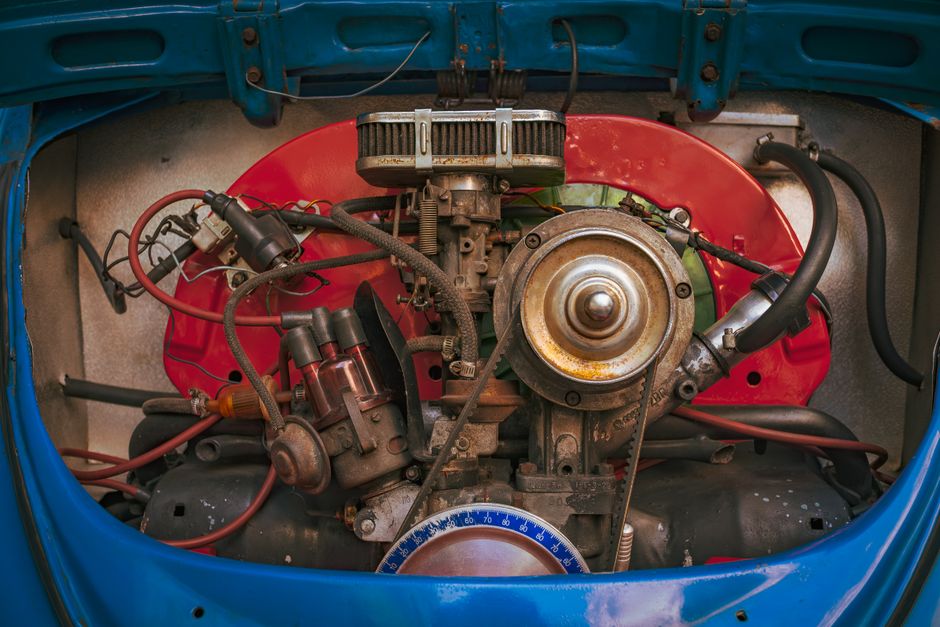
- Unknown history car: replace plugs, wires, cap, rotor, and check timing before assuming the plug type is the problem.
The best choice is the one that fits the car’s actual condition
The phrase best spark plugs for old cars should really mean “best match for this engine, in this condition, with this ignition system.” That is why the right answer for a preserved 1960s sedan is often different from the right answer for a rebuilt weekend cruiser. If you start with the engine’s original specs, then read the plugs after real use, you will usually end up with a better result than by chasing the most expensive option.
For most owners, the safest path is simple: match the factory specification, use a quality copper-core plug unless there is a clear reason not to, and treat plug appearance as a diagnostic tool. Old cars reward methodical choices. They punish shortcuts.

Comments (0)
No comments yet. Be the first to comment!
Leave a Comment