Why ordinary car care tips fall short
Most drivers equate a clean exterior with good maintenance, yet corrosion, drivetrain strain, and interior wear often progress unnoticed. Addressing those hidden factors transforms routine chores into strategic preservation.
Reading the vehicle’s silent signals
Modern cars emit subtle cues that, when interpreted correctly, prevent costly repairs. A slight change in brake pedal feel usually signals pad wear or rotor glazing; a faint rattling under the dash can indicate a loose vacuum hose that will later affect idle stability. Keeping a notebook of such sensations creates a personal diagnostic log that outperforms generic checklists.
Spotting early rust without a magnifying glass
- Inspect wheel wells after rain; water pooling for more than 24 hours accelerates steel oxidation.
- Run a fingertip along the lower edge of the door frame; any roughness suggests paint breakdown.
- Apply a thin layer of silicone spray to newly discovered spots; the coating delays rust while you arrange professional treatment.
Seasonal preparation that matters
Temperature swings stress seals, batteries, and fluids. Rather than a one‑size‑fits‑all approach, tailor each season’s routine to the vehicle’s most vulnerable components.
Winter resilience
- Swap conventional coolant for a 50/50 ethylene‑glycol mix rated to –40 °C; this prevents freezing in the radiator and heater core.
- Replace standard wiper blades with rubber‑coated winter blades; their flexibility avoids streaking on icy glass.
- Charge the battery to 12.8 V before the first frost; a fully charged lead‑acid cell delivers up to 30 % more cranking power in sub‑zero conditions.
Summer safeguards
- Use a high‑temperature brake fluid (DOT 5.1) that resists boiling at 260 °C, ensuring consistent braking under prolonged downhill runs.
- Apply a UV‑blocking paint sealant to the hood and roof; studies show a 15 % reduction in paint fade after three summers.
- Check tire pressure weekly; a 1 psi drop raises rolling resistance by roughly 0.2 %, increasing fuel consumption.
DIY interior preservation that lasts
Seat fabric and dashboard plastics endure constant UV exposure, yet many owners neglect protective measures until discoloration appears.
Fabric upholstery
Sprinkle a thin layer of baking soda on cloth seats, let sit for 30 minutes, then vacuum. The powder neutralizes odors and absorbs moisture that would otherwise feed mold spores.
Plastic trim
Wipe dashboards with a mixture of 70 % isopropyl alcohol and distilled water; the alcohol evaporates without leaving residue that attracts dust.
Engine health beyond oil changes
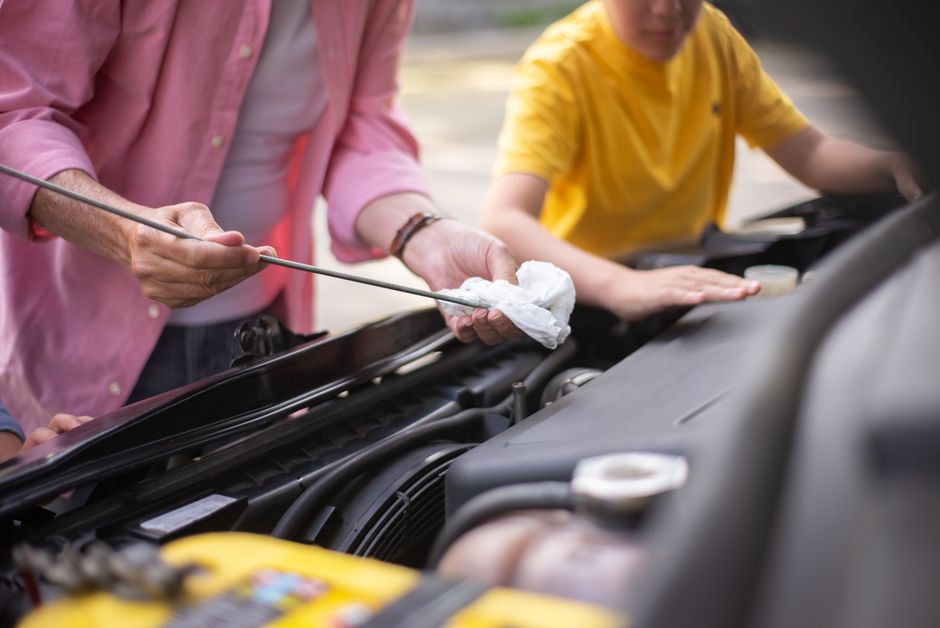
Oil quality is a cornerstone, but neglecting ancillary fluids creates hidden wear. A simple quarterly check of three often‑overlooked reservoirs can extend engine life by years.
- Transmission fluid: a honey‑colored hue indicates proper additive balance; dark, burnt smells signal imminent gear wear.
- Power‑steering fluid: low viscosity leads to pump cavitation, manifesting as a whining noise during turns.
- Coolant: a pH test below 7.0 suggests acid buildup, which corrodes aluminum radiators.
Smart budgeting for car care
Cost‑effective maintenance hinges on timing. Performing a preventive service at the manufacturer’s mileage interval often saves more than the price of a premature part replacement.
Example: Replacing a timing belt at 60,000 km versus waiting until it fails at 90,000 km can avoid engine overhaul expenses exceeding $3,000, while the belt itself costs under $150 plus labor.
Common pitfalls and how to avoid them
Even seasoned drivers repeat mistakes that erode vehicle value. Recognizing and correcting these habits fortifies the overall care strategy.
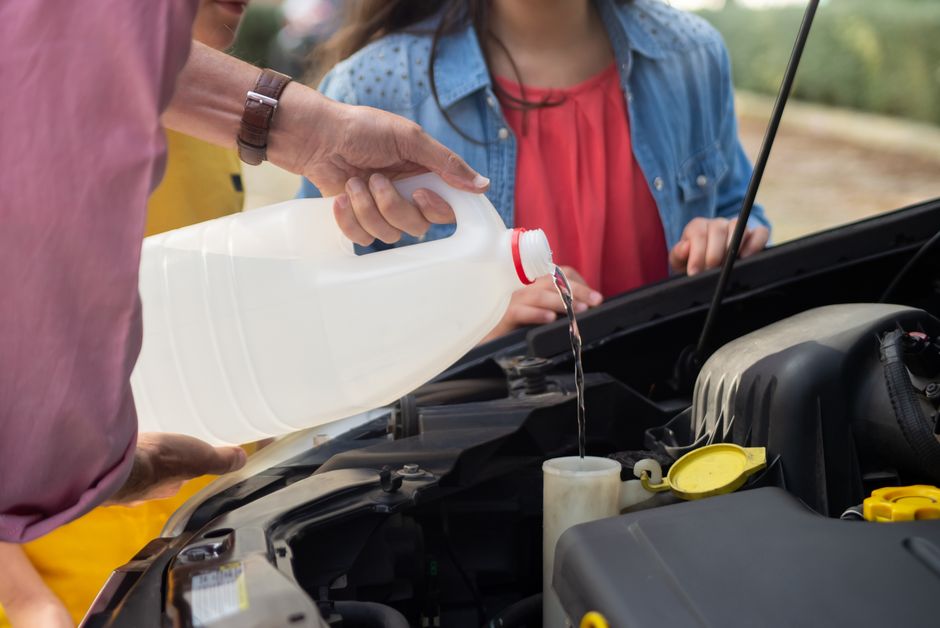
- Using cheap, non‑specification wiper fluid leads to streaks that obscure vision and accelerate glass etching.
- Skipping the tire rotation schedule creates uneven tread wear; a front‑to‑rear swap every 8,000 km restores balance.
- Relying solely on automatic car washes; abrasive brushes can micro‑scratch clear coat, especially on older paint.
Putting the pieces together
Integrating these advanced car care tips into a weekly habit list converts occasional maintenance into a disciplined preservation program. The payoff appears as fewer breakdowns, higher resale value, and the quiet confidence that the vehicle will perform reliably for the next decade.

Comments (0)
No comments yet. Be the first to comment!
Leave a Comment