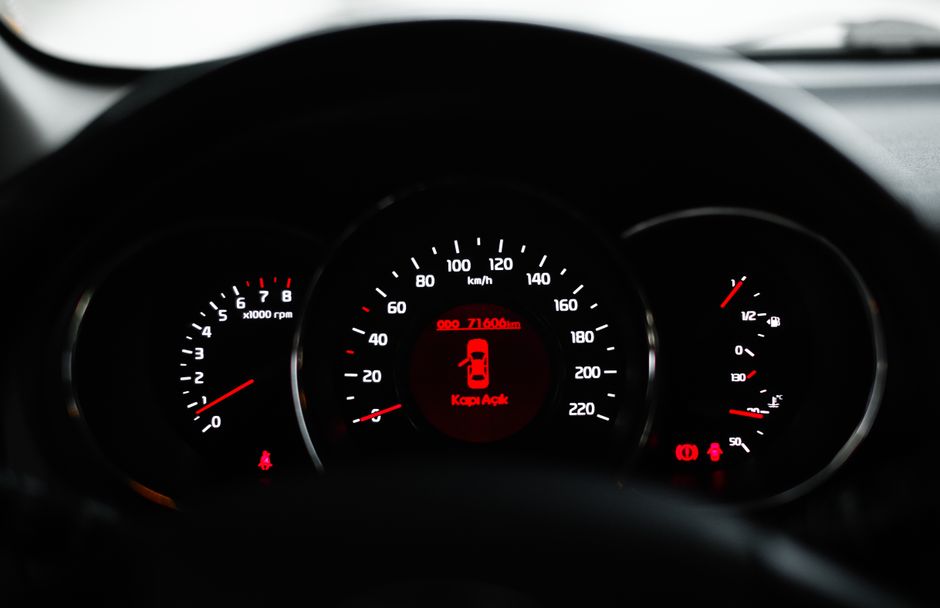
A check engine light blinking is not the same warning as a steady dashboard light. A solid light often points to a fault that can wait long enough for a careful diagnosis. A blinking one usually means the engine is misfiring badly enough that unburned fuel may be entering the exhaust. That is the kind of problem that can turn a manageable repair into a damaged catalytic converter if the car keeps running hard.
What a blinking check engine light is really telling you
Most drivers hear “engine problem” and assume the car can still be used for a short trip. A blinking light changes that calculation. The engine control unit is detecting a condition severe enough to protect the powertrain by warning you immediately. In practice, the most common trigger is a misfire under load, but the root cause can be ignition, fuel delivery, air metering, or even a mechanical issue inside the engine.
The key detail is not the light itself but the pattern. A steady light usually means the fault is present but not actively causing immediate harm. A flashing light suggests the engine is misfiring enough that the catalytic converter may overheat from excess fuel. That converter is expensive, and once it is overheated or contaminated, the repair bill can jump far beyond the original problem.
The safest response in the first five minutes
If the light starts blinking while you are driving, ease off the throttle right away. Hard acceleration, towing, climbing steep grades, and high RPMs make a misfire worse. If the car still runs rough, smells strongly of fuel, shakes at idle, or loses power, the safest move is to pull over and shut it down rather than try to “limp it home” at speed.
- Reduce load immediately and avoid aggressive acceleration.
- Check whether the engine is shaking, surging, or sounding uneven.
- Look for obvious signs such as a fuel smell, smoke, or a harsh knocking noise.
- If the light keeps flashing, arrange a tow instead of driving long distance.
That last point matters because short, gentle movement to a safe spot is different from continuing a normal drive. The goal is to prevent heat and raw fuel from reaching the exhaust system for longer than necessary.
Common causes, from easiest to most serious
In many cases, a blinking light comes from a misfire caused by something relatively simple. Worn spark plugs are a common culprit on gasoline engines, especially if maintenance has been delayed. Bad ignition coils can fail intermittently under load, which is why a car may feel fine at idle and then stumble when you accelerate onto a highway.
Fuel delivery issues are another frequent source. A weak fuel pump, clogged injector, or contaminated fuel can lean out one cylinder or starve the engine under demand. Air leaks can also upset the mixture, particularly if a vacuum hose has split or an intake boot has cracked.
Sometimes the problem is deeper. Low compression from worn rings, a burned valve, or head gasket trouble can produce a persistent misfire that no amount of plug swapping will fix. That is why a blinking light should be treated as a diagnostic clue, not a single diagnosis.
Why driving through it can become expensive fast
The part many drivers miss is that the damage is often secondary. The misfire itself may be caused by a relatively inexpensive component, but the repeated dumping of unburned fuel into the exhaust can overheat the catalytic converter. Once that happens, the converter’s internal substrate can melt or break apart, and the engine may then lose power, fail emissions testing, or trigger additional fault codes.
There is also a chain reaction inside the engine. A misfiring cylinder can wash oil film off the cylinder wall, increase wear, and make the engine run even rougher. If the car is shaking violently, the stress can spread to engine mounts and nearby components. That is why the advice to stop driving is not alarmist; it is a practical cost-control decision.
How a mechanic will usually track it down
A scanner reading is only the starting point. A code such as a cylinder-specific misfire points to the area, but it does not prove the part that failed. A good diagnosis often combines live data, ignition testing, fuel pressure checks, and a visual inspection for vacuum leaks or damaged wiring. On some vehicles, the technician may swap coils or plugs between cylinders to see whether the misfire follows the part.
If the check engine light blinking happened only under load, that clue is valuable. Intermittent failures often show up during acceleration, uphill driving, or when the engine is hot. A shop may road-test the vehicle or monitor misfire counters to reproduce the fault. That is more reliable than replacing parts at random, which is how many owners end up paying twice.
What you can check yourself without making things worse
There are a few safe checks a driver can do before heading to a shop. Confirm the gas cap is tight, but do not assume that alone explains a blinking warning. Open the hood only if the engine is off and cool enough to inspect safely. Look for disconnected intake hoses, obvious oil leaks, or a loose electrical connector near the ignition coils.
If you have an OBD-II scanner, read the codes and note them before clearing anything. The freeze-frame data can help a mechanic see engine load, temperature, and RPM at the moment the fault appeared. Do not keep clearing the code and driving to see whether it comes back; that erases useful evidence and can hide a worsening condition.
When to stop driving entirely
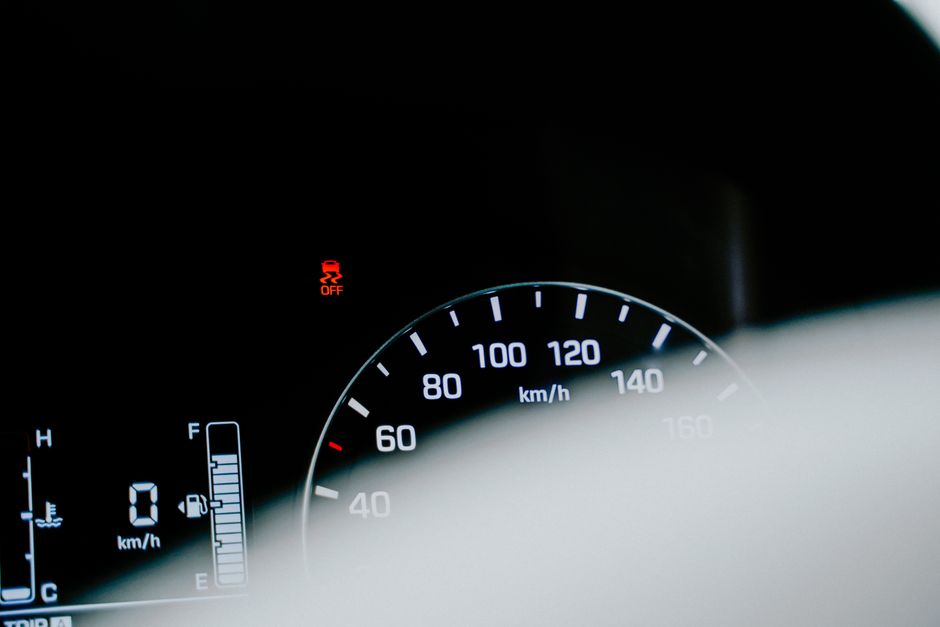
Stop and arrange a tow if the engine is running so rough that the car shakes hard, the flashing light is accompanied by a strong fuel smell, the temperature gauge rises, or the engine loses power suddenly. A flashing warning with a loud knocking noise is especially serious. That can indicate mechanical damage, and continuing to run the engine may turn a repairable issue into a rebuild.
If the car is only slightly rough but the light is still blinking, treat it as urgent rather than optional. A short drive to a nearby repair shop may be reasonable in some cases, but only if the engine is stable, the route is short, and the car is not showing any of the severe symptoms above. The moment the misfire worsens, stop.
How to prevent it from coming back
Prevention is mostly about keeping the ignition and fuel systems healthy before they fail under load. Spark plugs should be replaced on schedule, not after they start causing symptoms. Coils, filters, and air intake components deserve attention when the engine begins to hesitate, even if the car still feels driveable. Small drivability complaints often show up weeks before a blinking light does.
Good fuel quality, timely maintenance, and quick attention to rough running are the cheapest insurance here. Drivers who ignore a mild stumble because the car still starts usually end up paying more later, either for a converter, a tow, or both. A blinking warning is the car’s way of saying the problem has crossed from “monitor it” into “act now.”

Comments (0)
No comments yet. Be the first to comment!
Leave a Comment