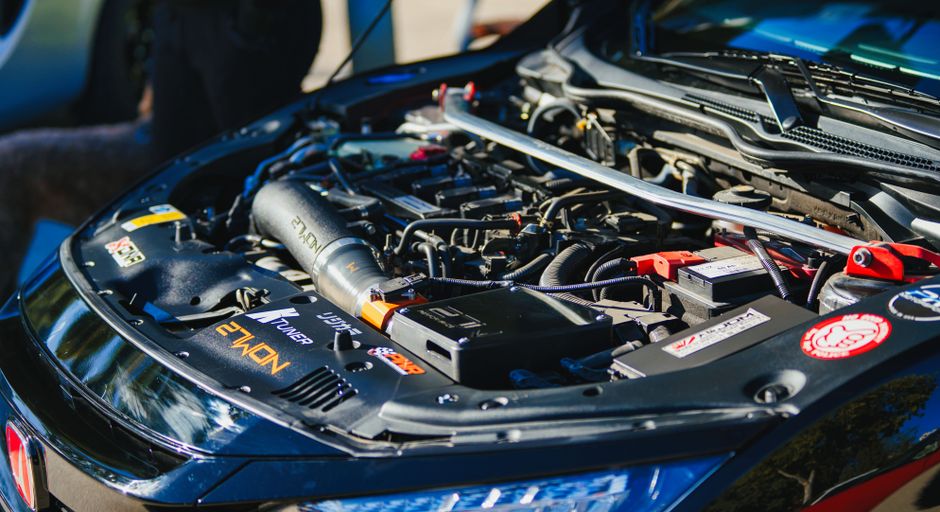
Engine Maintenance Tips : Why Engine Maintenance Is More Than a Routine
Every combustion engine operates under high temperature, pressure, and friction. Those forces create micro‑abrasions that, if left unchecked, evolve into costly wear patterns. Understanding that wear is cumulative—not a one‑off event—shifts maintenance from a chore to a strategic investment. When you grasp which components bear the most stress, you can prioritize actions that deliver the biggest mileage gain per hour spent.
Pre‑Season Inspection: A 12‑Point Checklist
Before the first cold‑weather start or the first summer mow, walk through this list. It condenses the most common failure points into a sequence that fits on a clipboard.
- Check coolant level and color; replace if milky or rusty.
- Inspect belts for cracks; measure tension with a belt‑tension gauge.
- Verify oil viscosity matches the manufacturer’s winter or summer rating.
- Examine spark plugs for carbon buildup; replace if electrode wear exceeds 0.5 mm.
- Feel the battery terminals for corrosion; clean with a baking‑soda paste.
- Test the starter motor’s amperage draw; high draw signals worn brushes.
- Listen for abnormal radiator noises that hint at trapped air.
- Pull the fuel filter; replace if it appears dark or gritty.
- Inspect the air‑filter housing seal; a leaky seal lets dust bypass the filter.
- Run the engine at idle for five minutes, then check exhaust color for blue (oil) or black (rich mixture).
Oil Selection and Change Intervals: Matching Chemistry to Conditions
Modern synthetic blends contain dispersants that keep sludge from forming. For a gasoline engine that sees 5,000 km / year, a 7,500‑km interval with 5W‑30 synthetic oil is a safe baseline. Heavy‑duty diesel units, however, benefit from 15W‑40 oil with higher anti‑wear additives, especially if they operate under load for more than 10 hours a day. Always verify the oil’s API rating (e.g., SN or CK‑4) against the engine’s specification sheet.
Cooling System Health: Beyond a Simple Flush
Coolant does more than transfer heat; it protects metal surfaces from corrosion. A 50/50 ethylene‑glycol mix with corrosion inhibitors should be tested with a refractometer every 12 months. If the boiling point reads below 100 °C, the inhibitor concentration has dropped and a full system flush is required. When replacing the thermostat, note the opening temperature (usually 88 °C for passenger cars) and match it exactly; an incorrect rating will cause premature overheating or excessive fuel consumption.
Air‑Intake and Filter Management: The First Line of Defense
Even a high‑efficiency paper filter will lose 10 % of its flow capacity after 30,000 km of dusty driving. Replace it before that threshold, or install a washable foam pre‑filter if the vehicle operates in off‑road conditions. When changing the filter, spray a thin coat of silicone‑based sealant on the housing gasket; this prevents air leaks that can throw the air‑fuel ratio off balance.
Fuel System Hygiene: Keeping the Pump and Injectors Clean
A clogged fuel filter raises pump outlet pressure, leading to premature pump wear. Replace the filter every 20,000 km or whenever you notice a drop in acceleration. For gasoline injectors, a 5‑minute soak in a professional‑grade injector cleaner (typically 1 % P‑phenylenediamine) restores spray pattern without dismantling the rail. Diesel engines benefit from periodic additive treatments that break down water and microbial growth—especially critical in humid climates.
Step‑by‑Step Injector Cleaning
- Depressurize the fuel system by removing the fuel pump relay and cranking the engine until it stalls.
- Disconnect the fuel rail and attach a pressurized cleaning kit with a regulator set to 2 bar.
- Circulate the cleaner for 3 minutes, then flush with fresh diesel for 2 minutes.
- Re‑install the rail, bleed air, and run the engine at 2,500 rpm for five minutes to verify smooth operation.
Electrical and Sensor Considerations: The Hidden Drivers of Efficiency
Modern engines rely on sensors—oxygen, MAF, MAP—to adjust timing and fuel delivery. A dirty MAF sensor can cause a 5‑10 % power loss. Clean it with a MAF‑specific spray, never with water. Spark plugs should be gapped to the exact specification (often 0.6‑0.8 mm); an over‑gapped plug can cause misfires, while an under‑gapped one raises combustion temperature, accelerating wear.
Common Pitfalls and How to Avoid Them
Novices often replace oil without resetting the oil‑life monitor, leading to premature alerts. The fix is simple: after each oil change, follow the vehicle’s reset procedure—usually a sequence of ignition‑on/off cycles. Another frequent error is using generic “universal” coolants that lack the proper phosphates for aluminum radiators; these cause pitting within months. Stick to the OEM‑approved formulation, even if it costs slightly more.
DIY vs. Professional Service: Knowing When to Call the Shop
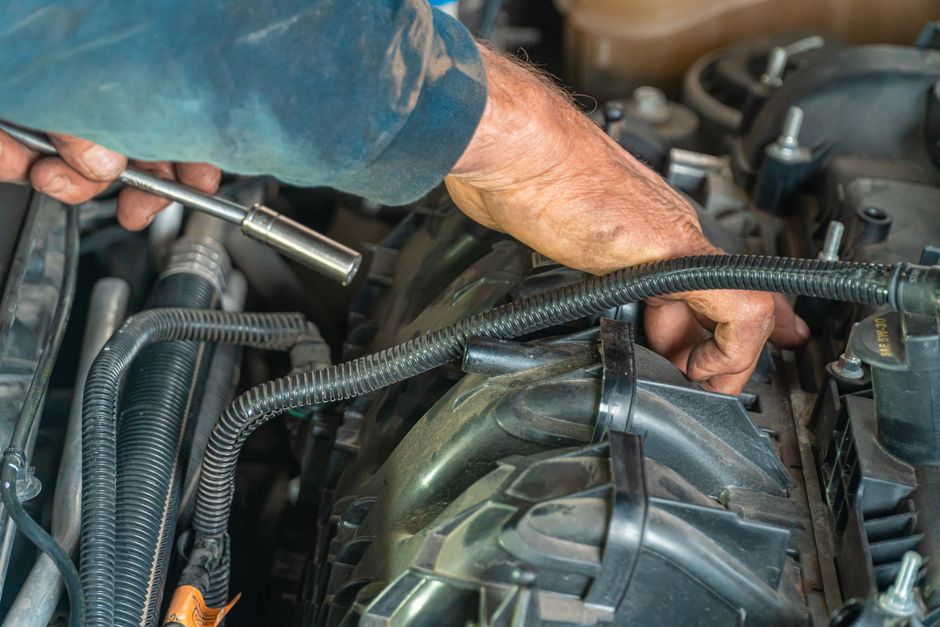
Changing oil, filters, and belts can be done in a garage with basic tools and a torque wrench. However, diagnosing intermittent sensor faults often requires a scan tool that reads live data streams. If the engine’s check‑engine light flashes while cruising, retrieve the fault codes within the first 30 seconds; a pattern of P0300‑P0305 indicates misfire, which may stem from a deeper timing issue best left to a certified technician.
Putting It All Together: A Monthly Maintenance Rhythm
Allocate the first weekend of each month to a quick visual inspection—oil dipstick, coolant reservoir, and air‑filter housing. Reserve a quarterly block for deeper tasks: oil change, fuel‑filter swap, and spark‑plug check. By spreading effort, you avoid the “big‑bang” overhaul that catches many owners off guard and keep the engine humming for years.

Comments (0)
No comments yet. Be the first to comment!
Leave a Comment