Why a Maintenance Routine Matters
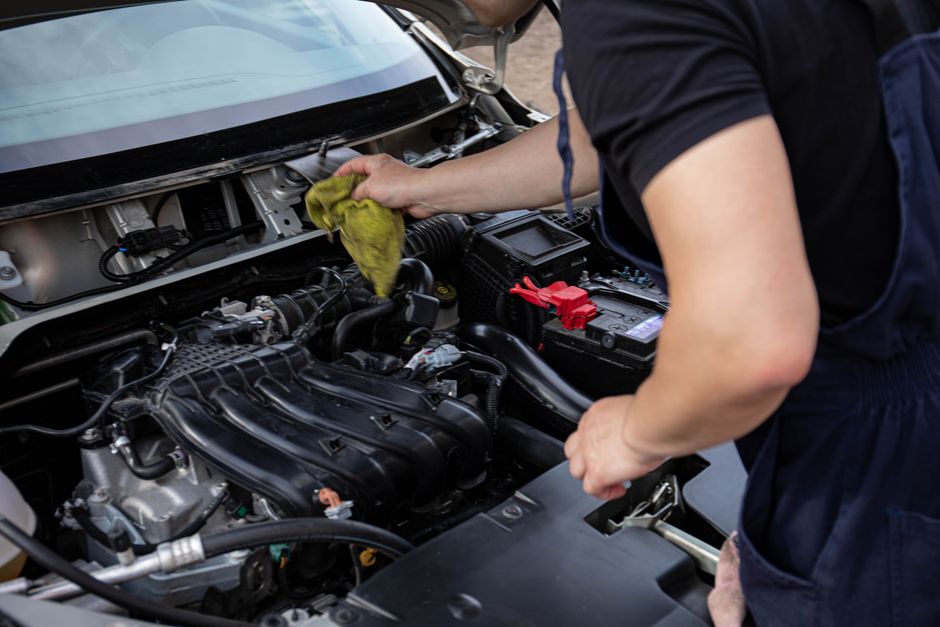
Skipping routine checks creates a cascade of wear that silently erodes performance. Engine oil that never gets replaced loses its ability to lubricate, allowing metal‑to‑metal contact that shortens bearing life. A coolant system clogged with old antifreeze cannot dissipate heat, raising the risk of overheating during a long climb. When drivers understand the mechanical cause‑and‑effect, they can intervene before a minor symptom turns into a costly repair.
Core Systems and Their Service Intervals
Manufacturers publish interval tables, but the underlying physics explains why those numbers exist. Below each system, the recommended mileage or time frame is paired with the mechanical rationale.
Engine Oil and Filter
- Replace every 5,000–7,500 miles (or 6 months) for synthetic blends; conventional oil tolerates up to 3,000 miles.
- Oil degrades because thermal oxidation breaks down polymer chains, reducing viscosity and allowing sludge formation.
- Changing the filter simultaneously prevents re‑contamination of fresh oil.
Coolant (Antifreeze)
- Flush and replace every 30,000 miles or 2 years, whichever comes first.
- Old coolant precipitates silica and calcium, forming deposits that obstruct radiator passages.
- Mix 50/50 ethylene‑glycol with distilled water to maintain a freezing point of –34 °F (–36 °C) and a boiling point near 265 °F (129 °C).
Brake Fluid
- Renew every 24 months regardless of mileage.
- Hygroscopic fluid absorbs moisture, lowering its boiling point and risking brake fade under heavy load.
- Use DOT 4 for most passenger cars; high‑performance models may require DOT 5.1.
Transmission Fluid (Automatic)
- Replace at 60,000–100,000 miles, depending on manufacturer guidance.
- Thermal breakdown creates varnish that can lock clutch plates, especially in stop‑and‑go traffic.
- Check fluid color: bright red indicates health; dark brown signals oxidation.
Air Filter
- Inspect every 12,000 miles; replace if more than 20 % of the surface is clogged.
- Restricted airflow forces the engine to work harder, increasing fuel consumption by up to 10 %.
Cabin Air Filter
- Swap every 15,000–20,000 miles or when you notice reduced HVAC output.
- Dust and pollen buildup can trigger HVAC fan overload, shortening motor life.
DIY Checks You Can Perform Weekly
Weekly habits keep the car’s most vulnerable components visible.
Tire Pressure and Tread Depth
- Measure pressure with a digital gauge; adjust to the vehicle’s placard value (often 32–35 psi).
- Under‑inflated tires generate up to 20 % more rolling resistance, raising fuel use and heat buildup.
- Use a tread‑depth gauge; replace any tire dropping below 2/32 in (1.6 mm).
Battery Terminal Cleanliness
- Inspect for white or green corrosion; scrub with a mixture of baking soda and water.
- Confirm voltage with a multimeter; a healthy 12‑V lead‑acid battery should read 12.6 V at rest.
- Loose clamps cause intermittent electrical glitches that mimic sensor failures.
Fluid Levels at a Glance
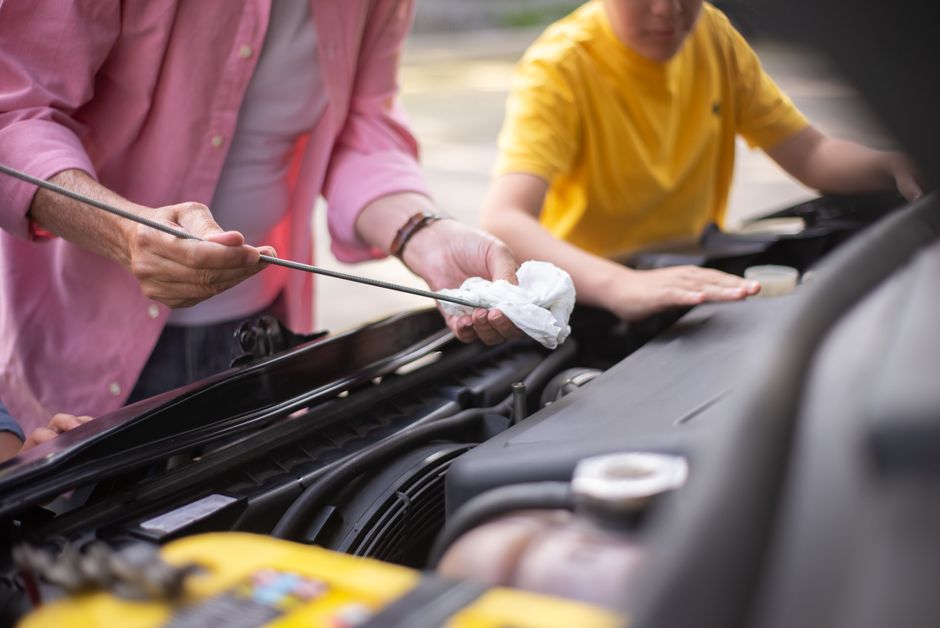
- Pull the dipstick for engine oil, check the coolant reservoir, and glance at power‑steering fluid.
- Low oil can trigger a low‑oil pressure light within seconds of start‑up.
- Top‑off fluids with the exact type specified in the owner’s manual; mixing incompatible fluids can create sludge.
Monthly Tasks That Prevent Costly Repairs
Monthly attention tackles wear that accumulates faster than the driver might expect.
Inspect Belts and Hoses
- Look for cracks, fraying, or glazing on the serpentine belt; replace before it snaps.
- Check radiator hoses for bulges or soft spots; a hose failure can cause immediate overheating.
Check Brake Pads
- Measure pad thickness with a caliper; replace when less than 3 mm remains.
- Listen for a metallic squeal that indicates wear‑indicator contact.
Rotate Tires
- Perform a front‑to‑rear rotation every 6,000–8,000 miles to equalize tread wear.
- Uneven wear can cause vibration at speeds above 50 mph, signaling a suspension or alignment issue.
Seasonal Adjustments for Climate Extremes
Temperature swings stress different components; adjusting maintenance timing mitigates those stresses.
Winter Preparation
- Switch to a low‑viscosity oil (e.g., 5W‑30) if the manufacturer recommends; thinner oil circulates faster in sub‑zero temps.
- Test the battery’s cold‑cranking amps (CCA); a drop below the spec reduces start reliability.
- Install winter‑grade tires with tread patterns designed to evacuate snow and slush.
Summer Preparation
- Verify coolant concentration; a 50/50 mix may be insufficient for prolonged high‑heat exposure.
- Inspect the air‑conditioning condenser for debris; clogged fins impair heat rejection.
- Check the condition of the radiator cap; a weak spring can allow pressure loss, lowering boiling point.
When to Seek Professional Help
Even the most diligent DIYer encounters limits. Recognizing those limits saves both time and money.
- Persistent check‑engine codes that require a scan tool beyond a basic OBD‑II reader.
- Strange noises from the timing chain or valve train; these components demand precise torque specifications.
- Transmission slippage or harsh shifting; internal clutch wear often needs a specialist’s diagnostic.
Schedule a professional inspection before the warranty expires; many manufacturers offer complimentary services that cover major components.
Common Mistakes and How to Avoid Them
Experience reveals patterns that repeat across makes and models.
- Using the wrong oil grade because of a misread label; always double‑check the viscosity and API rating before purchase.
- Over‑tightening wheel lug nuts; a torque wrench set to the manufacturer’s specification (typically 80–100 lb‑ft) prevents warped brake rotors.
- Neglecting to reset service‑interval reminders after a DIY oil change; the vehicle’s computer will otherwise trigger false alarms.
Budgeting and Record‑Keeping
Tracking expenses transforms maintenance from a vague habit into a measurable investment.
Spreadsheet Template
- Columns: Date, Mileage, Service Performed, Cost, Provider, Receipt Attached.
- Color‑code entries: green for routine, yellow for unexpected, red for major repair.
Cost‑Benefit Example
Replacing a fuel filter at 30,000 miles costs roughly $30 + labor. Skipping the change can cause a clogged filter that reduces fuel flow, leading to a fuel‑pump overload that may cost $400–$600 to replace. The simple preventive step saves both money and downtime.
Final Checklist
- Oil & filter: every 5,000–7,500 mi or 6 months.
- Coolant flush: every 30,000 mi or 2 years.
- Brake fluid: every 24 months.
- Transmission fluid (auto): 60,000–100,000 mi.
- Air & cabin filters: inspect annually, replace as needed.
- Tire pressure: weekly check, rotate every 6,000–8,000 mi.
- Battery terminals: clean quarterly, test CCA before winter.
- Belts & hoses: monthly visual inspection.
- Seasonal tasks: adjust oil, coolant, and tires per climate.
- Professional diagnostics: schedule if any warning light persists beyond 48 hours.
Adopting this structured approach turns basic car maintenance from a reactive chore into a proactive strategy that extends vehicle life, improves safety, and reduces ownership cost.

Comments (0)
No comments yet. Be the first to comment!
Leave a Comment