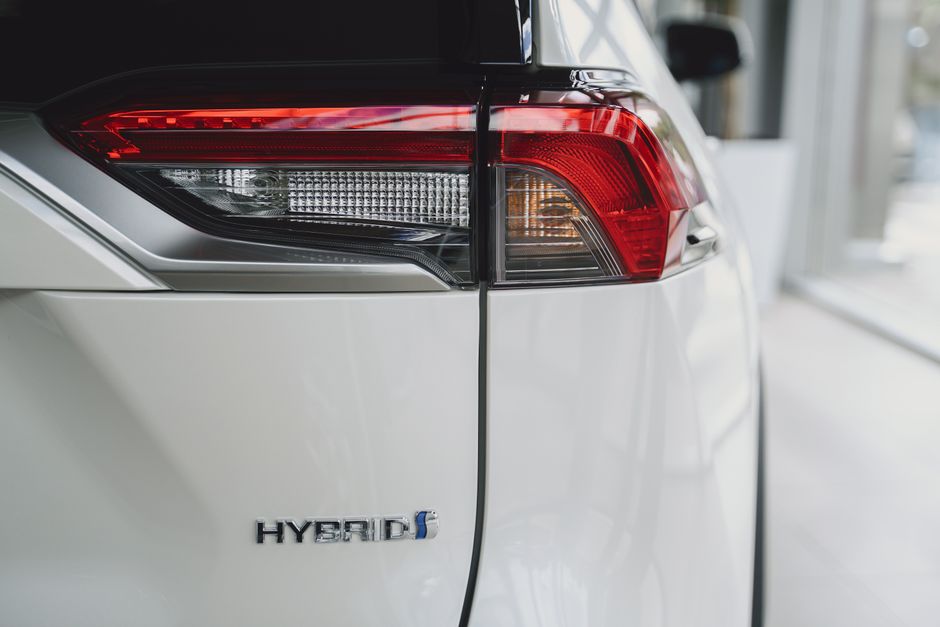
Why hybrid car maintenance differs from conventional upkeep
Hybrid powertrains combine an internal combustion engine (ICE) with an electric motor and a high‑voltage battery pack. The interaction of these components creates wear patterns that ordinary gasoline‑only cars never encounter. Ignoring the electric side can reduce fuel savings, trigger premature battery degradation, and even void warranty coverage.
Core checklist for weekly and monthly inspections
Routine visual checks remain the first line of defense, but a few items deserve special attention.
- Coolant level in the ICE’s radiator and the electric motor’s liquid‑cooling circuit. Low coolant can cause overheating of the inverter, a costly failure point.
- Brake fluid condition. Regenerative braking reduces wear on friction pads, yet the fluid still absorbs heat and must be replaced every two years.
- Cabin air filter. Hybrid models often feature higher‑efficiency filters to protect the battery’s cooling system; a clogged filter forces the HVAC to work harder, increasing electrical load.
Battery health: monitoring and preservation tactics
The high‑voltage pack is the most expensive component. Maintaining its state of charge (SOC) within the manufacturer’s recommended window—typically 20 % to 80 %—prevents deep‑cycle stress. Simple habits help:
- Avoid leaving the vehicle idle for more than three weeks without plugging it in. Even a small trickle charge keeps the cells from crystallizing.
- Schedule a full‑charge cycle (0 % to 100 %) once a year if the car is primarily used for short commutes. This re‑balances cell voltage and reveals any weak modules early.
- Use the vehicle’s built‑in battery‑health monitor before each long trip. A drop of more than 5 % in reported capacity signals a need for professional diagnostics.
Regenerative braking system care
Regeneration captures kinetic energy and feeds it back to the battery, reducing brake pad wear. However, the system relies on clean wheel speed sensors and a functional brake‑by‑wire controller.
- Inspect sensor rings for dust accumulation after driving on gravel roads. A light brush with a soft nylon brush restores accurate readings.
- When the brake‑by‑wire warning light flashes, do not ignore it. The controller may be reverting to a fallback mode that disables regeneration, increasing fuel consumption.
Software updates and on‑board diagnostics
Hybrid control units receive firmware upgrades that improve efficiency and resolve hidden bugs. Dealerships can perform a quick over‑the‑air (OTA) update, but owners can also request a diagnostic scan during routine service.
- Record the software version after each service. A regression to an older build may indicate an incomplete update.
- Leverage the vehicle’s OBD‑II port with a hybrid‑capable scanner to read codes such as P0A80 (battery pack performance) or P0A1C (inverter temperature). Understanding these codes prevents unnecessary part replacements.
Common pitfalls for first‑time hybrid owners
New drivers often treat hybrids like conventional cars, leading to avoidable issues.
- Relying exclusively on gasoline mode during long highway stretches. The ICE’s fuel‑pump can overheat if it runs without the cooling assistance of the electric motor.
- Using non‑approved coolant mixtures. Hybrid manufacturers prescribe a specific glycol‑based coolant; a standard automotive coolant can corrode the inverter’s heat sink.
- Neglecting tire pressure. Under‑inflated tires increase rolling resistance, forcing the ICE to work harder and reducing regenerative capture.
Cost‑effective maintenance schedule
Balancing warranty requirements with budget constraints calls for a strategic plan.
- Year 1–2: Follow the dealer’s 10 000‑km service interval. Focus on oil change, coolant flush, and brake fluid replacement.
- Year 3–5: Introduce a battery‑coolant inspection every 20 000 km. Replace the coolant if its color has turned dark or if the system shows a temperature warning.
- Beyond Year 5: Add a high‑voltage inverter inspection at 60 000 km. Early detection of insulation breakdown can avoid a full‑module replacement.
When to hand the keys over to a specialist
High‑voltage components demand trained technicians. A few scenarios unmistakably require professional attention.
- Persistent loss of regenerative braking efficiency despite sensor cleaning.
- Sudden drop in electric‑only range below 40 % of the original specification.
- Visible swelling or leakage from the battery pack. Even a minor breach can compromise safety systems.
Bottom line
Hybrid car maintenance is a blend of conventional upkeep and targeted electric‑system care. By tracking coolant health, respecting SOC limits, and staying current on firmware, owners preserve both fuel savings and resale value.

Comments (0)
No comments yet. Be the first to comment!
Leave a Comment