Understanding the Hidden Costs of Ignoring Your Suspension
Every time a vehicle tackles a pothole, the shock absorbers and linkages absorb forces that, if unchecked, degrade faster than the engine oil. A worn strut can increase stopping distance by up to 15 percent, a margin that often decides whether a collision occurs. Those hidden expenses appear later as premature tire wear, uneven brake pad wear, and costly component replacements.
Core Components That Require Regular Attention
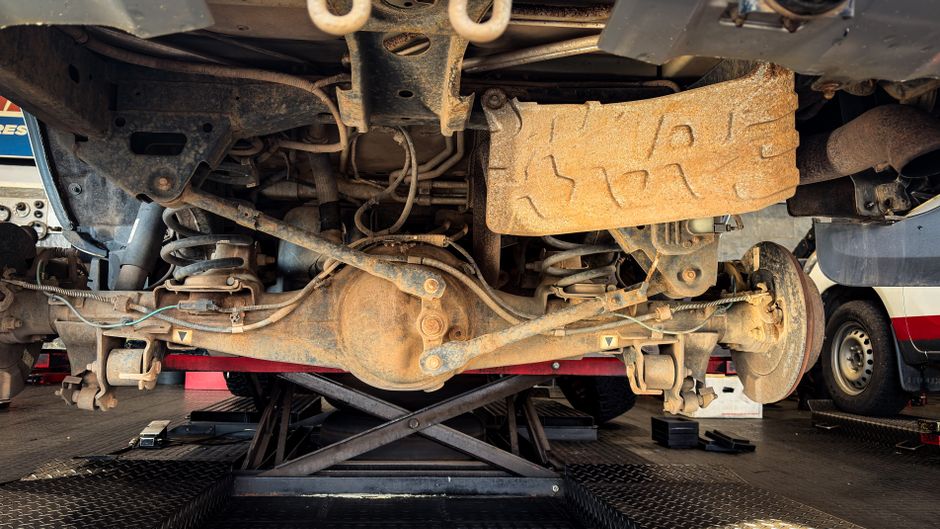
Suspension systems consist of springs, dampers, control arms, ball joints, and bushings. Each part reacts differently to temperature changes, load variations, and road imperfections. For example, rubber bushings soften in hot climates, losing up to 30 percent of their original stiffness, which translates into excessive body roll during cornering.
Struts and Shock Absorbers
These dampers control the speed at which springs compress and rebound. A simple bounce test—pressing down on the rear corner and releasing—reveals leakage when the vehicle continues to oscillate for more than two seconds. Persistent leaking oil indicates seal failure, a condition that can be corrected by replacing the damper before the mount corrodes.
Control Arms and Ball Joints
Control arms maintain wheel alignment, while ball joints provide pivot points for steering. A loose ball joint produces a clunking noise during turns and can cause the wheel to wander up to 5 degrees off‑track, compromising handling precision. Tightening the joint without replacing worn bearings merely postpones failure and risks sudden loss of steering control.
Step‑by‑Step DIY Inspection Checklist
- Park on a level surface and engage the parking brake.
- Visually examine each strut for oil stains or dents on the cylinder.
- Push down on each corner of the vehicle; note the rebound speed and any audible squeaks.
- Inspect tire wear patterns; cupping indicates inconsistent suspension damping.
- Lift the vehicle with a jack, secure it on stands, and wiggle each wheel to feel for play in the ball joints.
- Check bushings for cracks or excessive softness by applying pressure with a pry bar.
Completing this checklist takes under fifteen minutes but reveals issues that would otherwise remain hidden until a major repair is required.
When to Choose Professional Service Over DIY
Even seasoned hobbyists encounter limits when dealing with coil‑over springs or air suspension modules. Specialized tools—such as a spring compressor or air pressure gauge—are essential for safely disassembling these assemblies. Attempting a spring removal without proper equipment can result in catastrophic failure, endangering the technician and damaging the vehicle.
Professional shops also perform alignment checks after any suspension component replacement. Misalignment as small as 0.5 degrees can cause uneven tire wear, reducing tire lifespan by 20 percent. A reputable shop will use laser alignment systems that achieve tolerances within 0.1 degrees, a precision rarely attainable with manual methods.
Cost‑Benefit Analysis: Investing in Maintenance Early
Average replacement cost for a set of struts ranges from $400 to $800, including labor. By contrast, a preventative inspection and minor bushing replacement often costs under $150. Assuming a vehicle experiences two major suspension failures over ten years, early maintenance can save roughly $1,000 in parts and labor, not to mention the intangible value of avoiding a crash.
Insurance claims further illustrate savings. A study by the National Highway Traffic Safety Administration found that suspension‑related accidents account for 7 percent of all collisions, with average claim payouts of $3,200. Maintaining proper suspension reduces the likelihood of such incidents, directly lowering insurance premiums.
Common Mistakes New Owners Make
- Assuming a smooth ride means the suspension is healthy—smoothness can mask deteriorating dampers.
- Skipping the bushing inspection because rubber parts appear solid; microscopic cracks often escape visual detection.
- Using generic replacement parts instead of OEM specifications, leading to mismatched ride height and handling characteristics.
Recognizing these pitfalls equips drivers with a realistic expectation of what maintenance entails, preventing costly missteps.
Creating a Sustainable Maintenance Schedule
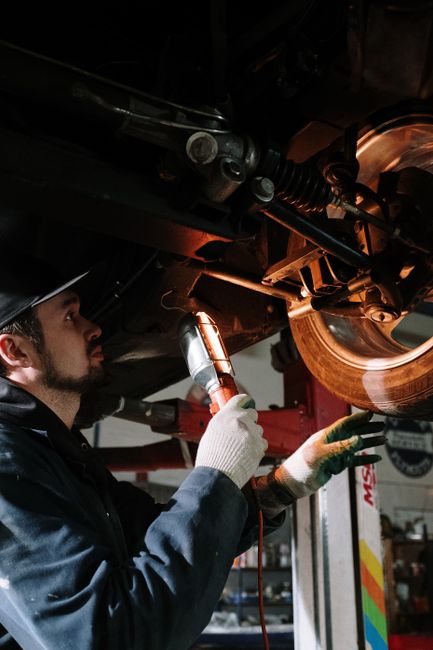
Integrate suspension checks into the vehicle’s regular service calendar. Align the inspection with oil changes every 5,000 miles, or at least twice a year for drivers in regions with harsh winters. Document findings in a maintenance log; patterns such as recurring bushing wear may indicate underlying alignment issues that require professional correction.
Adopting this routine transforms suspension care from an occasional chore into a predictable habit, reinforcing vehicle reliability and resale value.
Final Persuasion: Make Suspension Maintenance a Non‑Negotiable
Every dollar saved on premature component failure translates into a safer journey for you and your passengers. By treating suspension upkeep as an essential line‑item rather than an optional expense, you protect the investment you made in your vehicle and enhance driving confidence on any road.

Comments (0)
No comments yet. Be the first to comment!
Leave a Comment