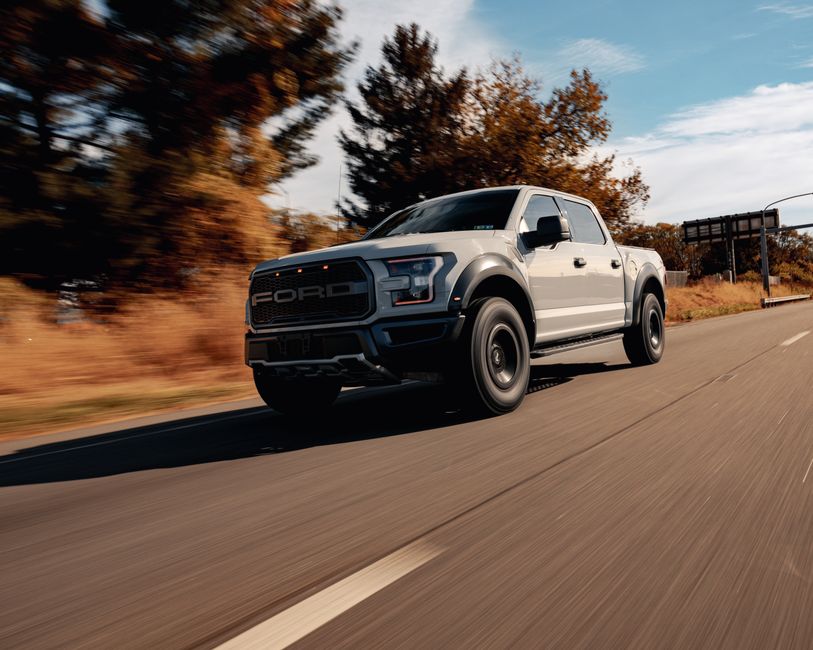
How to fix Ford F-150 transmission problems
Ford’s best‑selling pickup has used three main automatic families since 2009: the 6R, 6R140, and the newer 10R80. Each design carries its own wear pattern, but a handful of symptoms recur across model years. Heat‑induced fluid breakdown, worn clutch packs, and faulty valve‑body solenoids are the primary culprits. Recognizing the underlying cause prevents unnecessary part replacement and saves hours of labor.
Step‑by‑Step Diagnosis Before Opening the Pan
Most owners skip the diagnostic phase and replace the entire transmission. A systematic approach isolates the fault in under an hour.
1. Scan for Transmission‑Related Trouble Codes
- Connect a OBD‑II scanner that reads the P0700 series.
- Document every code; P0750 points to a shift‑solenoid malfunction, while P0730 indicates incorrect gear ratios.
- Clear the codes, run a short drive, then re‑scan to confirm persistent errors.
2. Verify Fluid Level and Condition
- Park on level ground, engine warm, transmission in park.
- Pull the dipstick; fluid should be amber, not black or foamy.
- Measure fluid temperature with a infrared thermometer; readings above 220 °F suggest overheating.
3. Conduct a Simple Shift Test
- With the engine running, move the shifter through all gears.
- Listen for clunks or delayed engagement; a lag of more than 0.5 seconds often signals a worn clutch pack.
- Note any gear that refuses to engage – typically second or third on early‑model 6R units.
Common Faults and Targeted Repairs
After diagnosis, focus on the component that matches the observed symptom.
Overheating Fluid – Replace and Flush
When fluid is burnt, the friction material on the clutch packs deteriorates. Drain the pan, replace the filter, and refill with ATF‑V (M2‑1505) as specified for the 6R series. Adding a supplemental cooler line can reduce future temperature spikes, especially for towing.
Faulty Shift Solenoids – DIY Replacement
Solenoids sit in the valve body and cost roughly $30 each. Remove the transmission pan, locate the solenoid bank, and swap the defective unit. Re‑torque the pan bolts to 12 Nm to avoid leaks.
Worn Clutch Packs – Rebuild vs. Replace
Clutch pack wear appears as slipping at high RPMs. Rebuilding involves disassembling the transmission, cleaning all surfaces, and installing new friction plates (part numbers 7300156‑AA for 6R). Labor can exceed $1,200, so weigh the rebuild cost against a used transmission with comparable mileage.
Valve‑Body Corrosion – Clean and Seal
Moisture ingress corrodes the tiny passages that direct hydraulic pressure. Remove the valve body, soak it in a parts‑cleaner bath for 30 minutes, then brush away residue with a soft brass brush. Apply a thin layer of high‑temperature sealant before reassembly.
When to Call a Professional
Even seasoned DIYers hit a wall when internal gear damage is suspected. A cracked input shaft, for example, requires precision machining that most home shops lack. If the transmission exhibits a metallic grinding noise while shifting, schedule a shop inspection within 48 hours.
Preventive Maintenance Tips That Extend Life
- Replace ATF every 60,000 km or 48 months, whichever comes first.
- Install a transmission oil cooler if the truck regularly hauls over 5,000 lb.
- Use a torque‑spec‑compliant pan bolt pattern; overtightening can crack the housing.
- Periodically run a “cold‑soak” test – start the engine, let it idle for five minutes, then shift through gears without load to verify smooth operation.
Cost Overview for Typical Repairs
Understanding the price range helps decide between a DIY fix and a shop job.
| Repair | Parts | Labor | Total |
|---|---|---|---|
| Fluid flush | $25 | $80 | $105 |
| Solenoid replacement | $30 | $150 | $180 |
| Clutch‑pack rebuild | $210 | $900‑$1,200 | $1,110‑$1,410 |
| Full transmission swap (used) | $1,200‑$1,800 | $250‑$400 | $1,450‑$2,200 |
Budgeting for the most common fixes—fluid change and solenoid swap—covers 70 % of reported F‑150 transmission complaints.
Final Checklist Before Hitting the Road
- Confirm all codes are cleared.
- Verify fluid level and temperature after a short drive.
- Test each gear for smooth engagement.
- Securely tighten the pan bolts to the manufacturer’s torque.
Following this list reduces the likelihood of a sudden failure during a weekend haul.

Comments (0)
No comments yet. Be the first to comment!
Leave a Comment