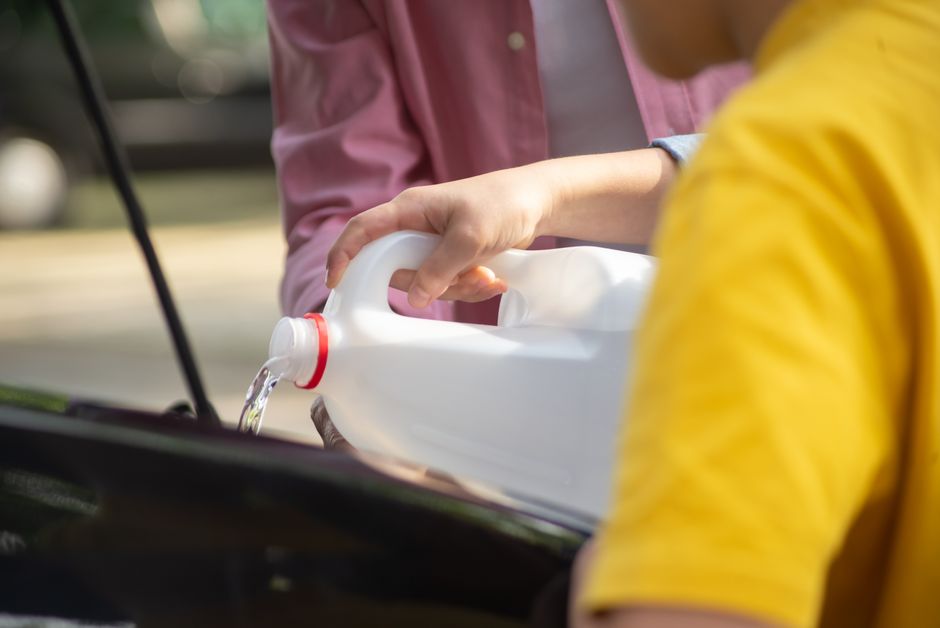
An engine coolant flush is one of those maintenance jobs people tend to postpone until the temperature gauge starts acting up. That delay is expensive. Cooling systems rarely fail in one dramatic moment; they usually degrade slowly, with old coolant losing its corrosion protection, scale building up inside passages, and rubber components aging under heat. By the time a driver notices overheating, the system may already be carrying years of hidden damage.
The phrase itself can sound like a simple drain-and-refill, but a proper coolant flush is really about restoring the chemistry and flow inside the entire cooling circuit. That includes the radiator, heater core, water pump, thermostat, hoses, and sometimes the engine block passages. If the fluid is contaminated, wrong for the vehicle, or far past its service life, the system can’t regulate temperature the way it was designed to.
What makes this maintenance worth understanding is that not every vehicle needs the same approach. Some cars tolerate a straightforward drain and refill. Others, especially those with long-life coolants or mixed-metal components, benefit from a more careful flush procedure and the exact coolant specification from the manufacturer. Using the wrong product can create more problems than the old fluid ever did.
What a coolant flush is actually trying to fix
Coolant does more than lower freezing and boiling points. It also carries corrosion inhibitors, lubricates the water pump seal to a degree, and helps prevent electrochemical damage inside the engine. Over time, those additives break down. Once that happens, the fluid may still move through the system, but it no longer protects metal surfaces the way it should.
A flush is meant to remove degraded coolant, rust particles, mineral deposits, and any sludge that has started to circulate. In a healthy system, coolant should look relatively clean and remain close to the color it was designed to be. When it turns rusty, muddy, or oily, that is a sign the system needs attention, not just a top-off.
There is a practical reason to treat contamination seriously. Deposits narrow internal passages, which reduces heat transfer. That means the engine can run hotter even if the coolant level looks normal. A heater core can also clog, leaving you with weak cabin heat long before the engine overheats.
When a flush is justified and when it is not
The cleanest rule is to follow the vehicle maker’s service schedule and coolant specification. Some modern extended-life coolants are designed to last far longer than older formulas. Others, especially in older vehicles, may need more frequent replacement because the system materials and coolant chemistry are less forgiving.
There are also warning signs that justify service before the scheduled interval:
- Coolant looks brown, cloudy, or oily
- The engine runs hotter than usual in traffic or under load
- The heater output drops even though the coolant level is correct
- You see crusty residue around hose connections, the radiator cap area, or the overflow tank
- The coolant has been topped off repeatedly with plain water
One mistake I see often is owners requesting a flush simply because the fluid is old, when what they actually need is diagnosis. If the coolant is disappearing, no flush will fix a leaking radiator, a failing water pump, a cracked reservoir, or a head-gasket problem. In that situation, replacing the fluid without finding the root cause only buys a short delay.
Another common misunderstanding is assuming every color change means the same thing. Coolant color is not a universal standard. Green, pink, orange, blue, and yellow can all mean different formulations depending on the manufacturer. Color alone is not enough to identify compatibility.
Why the wrong coolant causes real damage
Cooling systems are built around material compatibility. Aluminum radiators, plastic end tanks, steel components, copper-brass heaters, and various gasket materials all react differently to coolant chemistry. The additive package matters because it prevents corrosion where dissimilar metals meet. If the wrong coolant is used, that protection can be weak or absent.
Mixing incompatible coolants is especially risky. Some combinations can thicken, gel, or form deposits that coat internal surfaces. Even when no visible sludge appears, the chemistry may still be compromised. That is why a proper engine coolant flush is often paired with a full refill using the exact approved type rather than whatever happens to be on the shelf.
People sometimes assume universal coolant is a safe shortcut. In practice, “universal” usually means broad compatibility under limited conditions, not ideal performance in every system. For a vehicle still under warranty or one with a known manufacturer-specific coolant, the safer choice is the specified formulation.
What a proper flush should include
A real flush is not just opening the drain and pouring in fresh fluid. The goal is to remove as much old contamination as possible and restore the system to a known chemical state. That usually means draining the radiator, refilling with distilled water or a compatible flushing solution if needed, circulating it, and draining again until the outflow is reasonably clean.
On some vehicles, a technician may also open a block drain if the design allows it. That matters because a radiator drain alone does not remove all the old coolant trapped in the engine passages. The percentage left behind can be significant enough to dilute the new coolant if the system is not handled carefully.
After flushing, the refill must be correct in both type and concentration. Too much water reduces boil protection and corrosion resistance. Too much concentrate can also be a problem because coolant is engineered to work within a specific ratio. The exact mix depends on the product and the vehicle, so it is better to follow the label and owner’s manual than guess.
Bleeding air from the system is just as important as filling it. Air pockets can create hot spots, confuse temperature readings, and reduce heater performance. Some vehicles have bleed screws; others require a specific fill procedure, vacuum fill, or idling cycle. Skipping this step is one of the fastest ways to turn a maintenance job into an overheating complaint.
How to tell whether the system needs more than a flush
Not every cooling problem is caused by old coolant. A flush helps only if the system is otherwise sound. If the engine still overheats after service, the issue may be mechanical. A thermostat that sticks closed, a water pump with worn impeller blades, a blocked radiator, a collapsing hose, or a failing radiator cap can all mimic coolant-related trouble.
Two clues often point beyond simple fluid degradation. First, if the upper radiator hose stays cold while the engine gets hot, circulation may be blocked. Second, if the coolant level keeps dropping after a flush, there is likely a leak or combustion-gas intrusion. In both cases, a flush is not the fix; diagnosis is.
Head-gasket failure deserves special mention because it can contaminate coolant with oil or combustion gases. If the coolant smells exhaust-like, bubbles continuously, or turns milky, flushing without testing the engine is a waste of time. The underlying fault will just ruin the new coolant again.
DIY flush versus professional service
A do-it-yourself flush can work well on straightforward vehicles if you have the right tools, the correct coolant, and a way to dispose of the old fluid responsibly. The job is easier when the radiator drain is accessible and the system has a simple bleed process. It becomes much more difficult on vehicles with tight engine bays, multiple bleed points, or air-sensitive cooling circuits.
Professional service makes sense when the vehicle uses a specific coolant formula, when the system is heavily contaminated, or when you want the cooling system pressure-tested at the same time. A shop can also inspect hoses, clamps, thermostat operation, fan function, and cap sealing while the system is open. That broader check is often where the real value lies.
If you do it yourself, the main risks are not glamorous but they are costly: not fully draining the old coolant, using tap water with high mineral content, leaving air trapped in the system, or refilling with the wrong formulation. Tap water can leave scale behind over time. Distilled water is the safer choice for mixing unless the coolant product is already pre-mixed.
What a driver should inspect before and after service
Before any coolant service, look at the condition of the hoses, the reservoir, and the radiator cap area. Soft, swollen, cracked, or oil-soaked hoses should be replaced rather than ignored. A weak cap can allow pressure loss, which lowers the boiling point and can make the system behave as if it is underfilled.
After the flush, monitor the level over the next few heat cycles. Some minor settling is normal as trapped air works its way out, but repeated drops usually mean the system still has air or there is a leak. Check the overflow reservoir only when the engine is cold, because hot readings can mislead you.
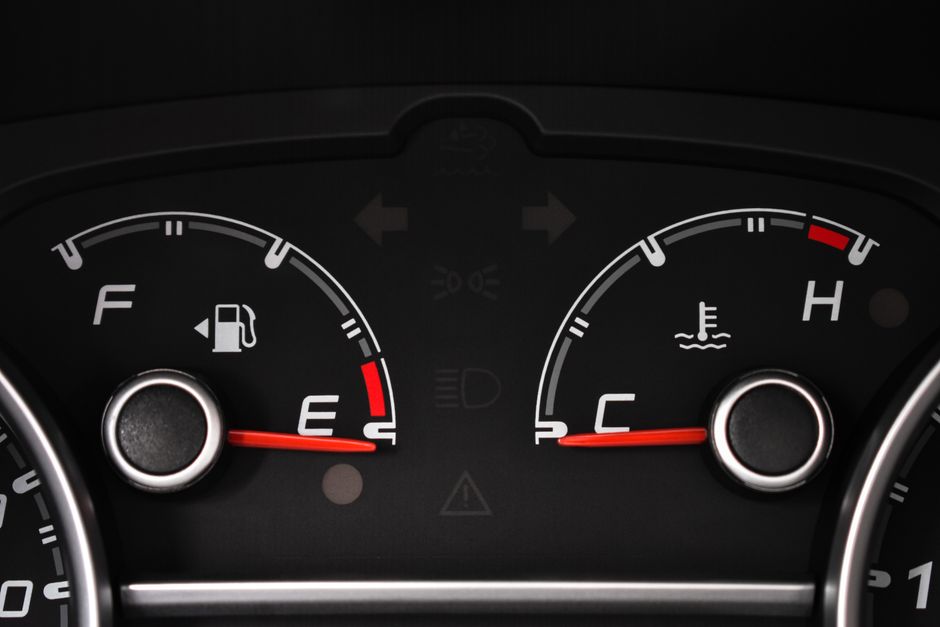
It also helps to pay attention to temperature behavior, not just the gauge. A healthy system should warm up steadily, stabilize, and keep cabin heat consistent. If the needle swings up and down, or the heater blows hot one minute and cool the next, the system may still have circulation or bleeding issues.
How often coolant really needs replacement
There is no single mileage number that applies to every vehicle. Service intervals vary widely depending on the coolant chemistry, engine design, and whether the vehicle has been maintained correctly over time. Some long-life coolants are designed for extended intervals, while older formulas need more frequent renewal. The owner’s manual is the best starting point.
Age matters as much as mileage. A vehicle that sits for long periods can still develop coolant degradation because inhibitors break down with time, not just use. Short-trip driving can also stress the system because the engine repeatedly cycles through warm-up and cool-down without always reaching stable operating conditions.
For high-mileage vehicles with an unknown maintenance history, a careful flush and refill can be a smart reset. The key is to do it with the correct fluid and to inspect the rest of the system at the same time. If the radiator is original, the hoses are brittle, and the water pump is noisy, fresh coolant will not make those parts new again.
The maintenance habit that saves the most money
The real value of an engine coolant flush is not the fluid itself. It is the chance to keep the cooling system chemically stable before heat becomes a problem. Engines hate overheating. Even brief temperature spikes can accelerate gasket wear, distort components, and shorten the life of sensors and plastics around the engine bay.
That is why the smartest approach is preventive rather than reactive. Use the specified coolant, replace it on schedule, bleed the system properly, and treat unexplained coolant loss as a diagnostic issue. Done that way, a flush is a routine maintenance task. Done carelessly, it becomes a way to hide a bigger problem for a few weeks.
If you want the shortest practical version: check the manual, match the coolant exactly, make sure the system is fully bled, and do not confuse a fluid service with a repair. Those four habits prevent most of the expensive mistakes people make around cooling-system maintenance.

Comments (0)
No comments yet. Be the first to comment!
Leave a Comment