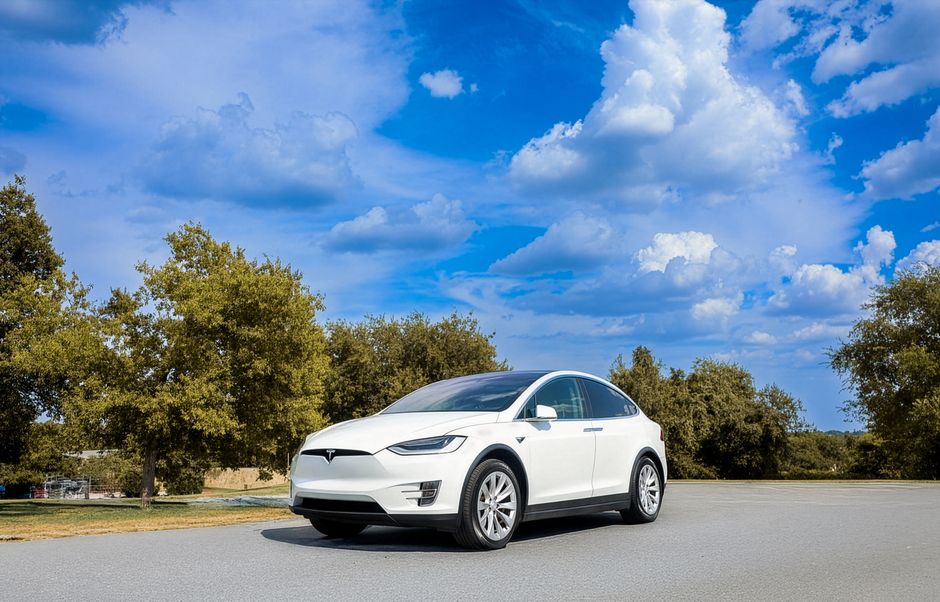
Why EV road trips feel different before the car even moves
Electric vehicle road trip planning is less about “Can the car make it?” and more about “Can the route, charging stops, weather, and timing work together?” That shift matters. A gasoline car gives you a broad safety margin because fuel stops are common and refueling is fast. An EV asks you to think a little more like a pilot: battery state, elevation, speed, temperature, and charger availability all affect the trip.
The good news is that most long-distance EV travel is already routine for drivers who know how to build a realistic plan. The bad news is that many first-time road-trippers overestimate range, underestimate charging time, and assume every charger on a map will be working when they arrive. The best planning method is not to chase the longest possible leg. It is to create a route with options, keep a buffer, and treat charging as part of the journey rather than an interruption to it.
Start with the car you actually own, not the range figure on paper
Every EV has a rated range, but road-trip range is shaped by conditions that are easy to ignore when you only drive locally. Highway speeds consume more energy than city driving. Cold weather can reduce efficiency because the battery and cabin need heat. Strong headwinds, rain, roof boxes, and heavy cargo all add drag. A car that looks comfortable at 300 miles on the window sticker may behave very differently at 75 mph with the heater running.
For planning purposes, use the car’s expected highway efficiency rather than the optimistic headline number. If you already know your vehicle, base your estimate on the consumption you see in similar conditions. If you do not, assume a conservative buffer. That buffer is what keeps a minor detour or an occupied charger from turning into a stressful search for the nearest plug.
One practical habit helps more than any app: watch how many miles or kilometers your car actually recovers per minute of charging at different states of charge. Most EVs charge fastest when the battery is relatively low and slow down as it fills. That means the best road-trip strategy is usually shorter, more frequent stops that keep the battery in the fast-charging zone, rather than one long stop from near-empty to nearly full.
Build the route around charging, not the other way around
The most reliable electric vehicle road trip planning starts by mapping chargers before choosing lunch spots, scenic detours, or overnight stays. That does not mean the route has to be rigid. It means the charging network sets the structure of the trip. Once the structure is in place, you can add flexibility inside it.
A solid route plan usually includes three layers:
- Primary chargers: the stations you expect to use.
- Backup chargers: alternatives within a reasonable detour if the first option is busy or unavailable.
- Emergency chargers: slower options that can get you out of trouble if needed.
Do not rely on a single station on a long leg unless the next one is comfortably within range even after a detour, a headwind, or a partial charging failure. The farther you are from dense charging infrastructure, the more important it becomes to think in terms of clusters rather than individual points.
When possible, plan around places where charging fits naturally into your day: a hotel with overnight charging, a meal stop with reliable DC fast charging, or a destination where you will park for several hours anyway. Charging works best when it overlaps with something else you were already going to do. If you have to sit and wait, the trip feels slower than it needs to.
Understand the difference between fast charging and convenient charging
Many drivers assume the “fastest” charger is always the best choice. In practice, the best charger is the one that matches your timing, your battery’s charging curve, and the rest of the trip. A high-power DC fast charger can save a lot of time, but only if the station is available, the car can accept that power, and the battery arrives warm enough to charge efficiently.
Charging speed is not linear. The jump from 10% to 50% state of charge is usually much faster than the climb from 70% to 90%. That is why experienced EV drivers often stop earlier and leave earlier. They trade one big, slow final stretch of charging for a quicker stop and a better overall travel time.
AC charging, such as Level 2 charging at hotels or destinations, has a different role. It is usually not the main tool for a long road trip unless you are stopping overnight or spending many hours parked. Its value is in convenience and in starting the next day with a full battery, which can remove pressure from the morning leg.
Plan for the conditions that change range the most
Some variables matter much more than others. Temperature is one of the biggest. Cold weather affects both battery performance and cabin heating, while very hot weather can increase air-conditioning use and sometimes reduce charging speed if the battery needs thermal management. Elevation also matters. Long climbs consume more energy, while descents recover some through regenerative braking, though never enough to make uphill driving “free.”
Speed is the variable many drivers underestimate. Aerodynamic drag rises quickly at highway speeds, which means a modest increase in speed can have a noticeable impact on range. On a road trip, driving 5 to 10 mph slower than your usual highway pace can sometimes save enough energy to shorten a charging stop or avoid one extra stop altogether. That trade-off is often worth it when the goal is smooth travel rather than maximum speed.
Wind deserves more attention than it usually gets. A strong headwind can feel like an invisible trailer attached to the car. A tailwind can be a gift. If your route is exposed and the forecast is unfavorable, reduce your range estimate before you leave instead of trying to improvise later.
Use the battery buffer as a tool, not a failure
New EV drivers often feel that arriving at a charger with 5% to 10% battery is a sign of poor planning. In reality, a controlled buffer is part of efficient trip design. The key word is controlled. You want enough reserve to absorb small errors, not so little that one closed ramp or broken charger becomes a problem.
A sensible approach is to define a personal minimum arrival state of charge and stick to it. For many trips, that means arriving at chargers with a margin that still leaves room for delays. When the network is sparse, raise that margin. When the weather is harsh, raise it again. Think of the buffer as insurance you pay with a few extra minutes of charging time. That insurance is usually cheaper than the stress of arriving nearly empty.
The same logic applies to destination planning. If you know the hotel charger is shared, unreliable, or slow, do not count on it as your only overnight energy source. Treat it as a bonus. The trip becomes much calmer when the next day does not depend on a single plug working exactly as expected.
Choose apps and tools that show real-world reliability, not just locations
Charging maps are useful, but not all of them help in the same way. A good tool should show not only where chargers are, but also recent status, connector types, power levels, user feedback, and whether the station is likely to be busy. The ability to filter by network, charging speed, or plug standard can save time before the trip and on the road.
Still, no app is perfect. Station data can be outdated, and user reports can lag behind reality. That is why the best planners cross-check information. If a charger matters to your route, confirm it in more than one source when possible. Look for recent check-ins, photos, or comments that mention whether the station is functioning normally. A station that appears on the map is not the same thing as a station you can count on at 7 p.m. on a holiday weekend.
It also helps to know how your car’s navigation system behaves. Some EVs precondition the battery for fast charging if the charger is entered as a destination. Others do not. Some route planners optimize for shortest distance, while others optimize for charging efficiency. Learning the strengths and weaknesses of your vehicle’s software can save more time than downloading another app.
Make charging stops feel intentional instead of wasted
Road trips go better when charging stops have a purpose beyond waiting for the battery to climb. The easiest way to do that is to pair charging with food, restroom breaks, coffee, stretching, or a short walk. A stop that feels productive is easier to repeat than one that feels like dead time.
There is a practical rhythm to this. Many drivers find that 15 to 30 minutes at a fast charger is enough to restore the next leg of the journey, especially if they arrive with a low-to-mid battery state. That window is long enough for a meal order, a restroom break, and a quick look at the route ahead. It is also short enough to keep the trip moving. The exact timing depends on the car, but the principle is consistent: do not charge longer than the next segment requires unless you need the buffer.
If you are traveling with passengers, especially children, charging can actually improve the trip experience when handled well. People get out, move around, and reset. The mistake is to force everyone to sit in the car while the battery fills past the point of practical usefulness.
Account for charger etiquette and real-world station behavior
Public charging has its own etiquette, and ignoring it can create avoidable friction. If a station is busy, do not leave the car plugged in far beyond the point you need unless there is no alternative. Fast chargers are shared infrastructure, and the last 10% of charging often takes disproportionately long. Freeing the stall sooner helps everyone.
Also expect variation in station layout and behavior. Some sites are easy to enter and exit with a trailer or roof box. Others are awkwardly placed near curbs, tight corners, or busy parking lots. Some chargers require a specific app, card, or account setup before they work. Setting up payment methods before the trip is a small task that prevents a lot of roadside frustration.
Another overlooked issue is stall sharing. On some charging stations, adjacent stalls may share power. If one side is occupied or charging heavily, the other side may charge more slowly. That is not obvious from the map, but it can affect your stop length. If a site looks crowded or slower than expected, move on rather than hoping the numbers will improve.
What to do before departure day
The best electric vehicle road trip planning happens before the suitcase is packed. A short checklist reduces the odds of last-minute surprises:
- Check tire pressure and condition, since underinflated tires reduce efficiency.
- Confirm charging access for your destination and any overnight stops.
- Update the car’s software and any charging apps you rely on.
- Save backup stations along each major leg.
- Bring the right charging adapters and cables for your vehicle.
- Set realistic arrival buffers for each stop.
Tire pressure deserves special attention because it affects both range and safety. A tire that is slightly low may not look dramatic, but over a long trip it can quietly reduce efficiency. The same is true of unnecessary weight. A heavily packed car is normal on vacation, but extra cargo should be treated as part of the range calculation, not ignored.
It is also wise to test your charging setup at home or near home before a major trip if you are new to the vehicle. A short practice session teaches you how the car locks the connector, where the charge port lights appear, and how to stop a session cleanly. Knowing those details in advance is much better than learning them in a crowded parking lot at night.
How to handle the unexpected without derailing the trip
Even a good route plan will meet surprises. A charger may be occupied, a station may be offline, weather may shift, or traffic may slow your arrival enough to affect the next leg. The goal is not to eliminate uncertainty. The goal is to build a trip that can absorb it.
The first rule is to slow down before panic sets in. Reducing speed a little can extend range more effectively than most people expect. The second rule is to avoid “range gambling,” where you skip a workable charger because you hope the next one will be better. On a road trip, the best charger is often the one you can actually use now.
If a stop fails, re-evaluate the route with your backup options rather than improvising blindly. Ask three questions: How much charge do I have? What is the next reliable charger within my current range? What speed or climate adjustments can I make to reach it safely? That simple sequence keeps the problem practical instead of emotional.
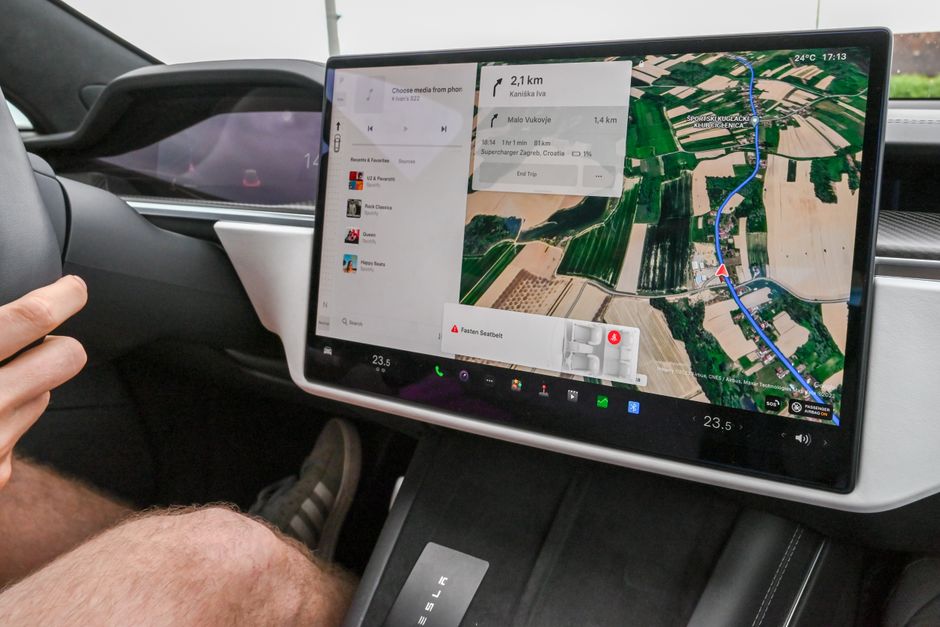
When EV road trips become easier than gas trips
After a few journeys, many drivers notice something unexpected: the trip stops feeling like a compromise. Overnight charging means starting each day with a full battery. Fast-charging breaks align neatly with meals. The car becomes quieter and less tiring to drive. In some cases, the trip becomes more organized than a gasoline road trip because the charging plan naturally structures rest stops.
The turning point usually comes when the driver stops chasing maximum range and starts using the car’s charging behavior intelligently. Once you know where your vehicle is efficient, where it slows down, and how the network behaves on your route, the trip becomes predictable. Predictability is what removes most of the anxiety.
Electric vehicle road trip planning is not about perfection. It is about building enough margin into the route that the trip still works when reality is a little worse than the forecast. That is the difference between a stressful experiment and a repeatable way to travel long distances in an EV.

Comments (0)
No comments yet. Be the first to comment!
Leave a Comment