What Electric Vehicle Warranty Coverage Actually Means
Electric vehicle warranty coverage is often presented as a simple selling point, but in practice it is a layered contract that protects different parts of the car for different lengths of time. That distinction matters more with an EV than with a conventional car because the vehicle is built around a battery pack, high-voltage electronics, software-controlled systems, and a driveline that is mechanically simpler in some places and more specialized in others. A buyer who assumes the warranty is “longer” without asking what is covered can end up with a false sense of security.
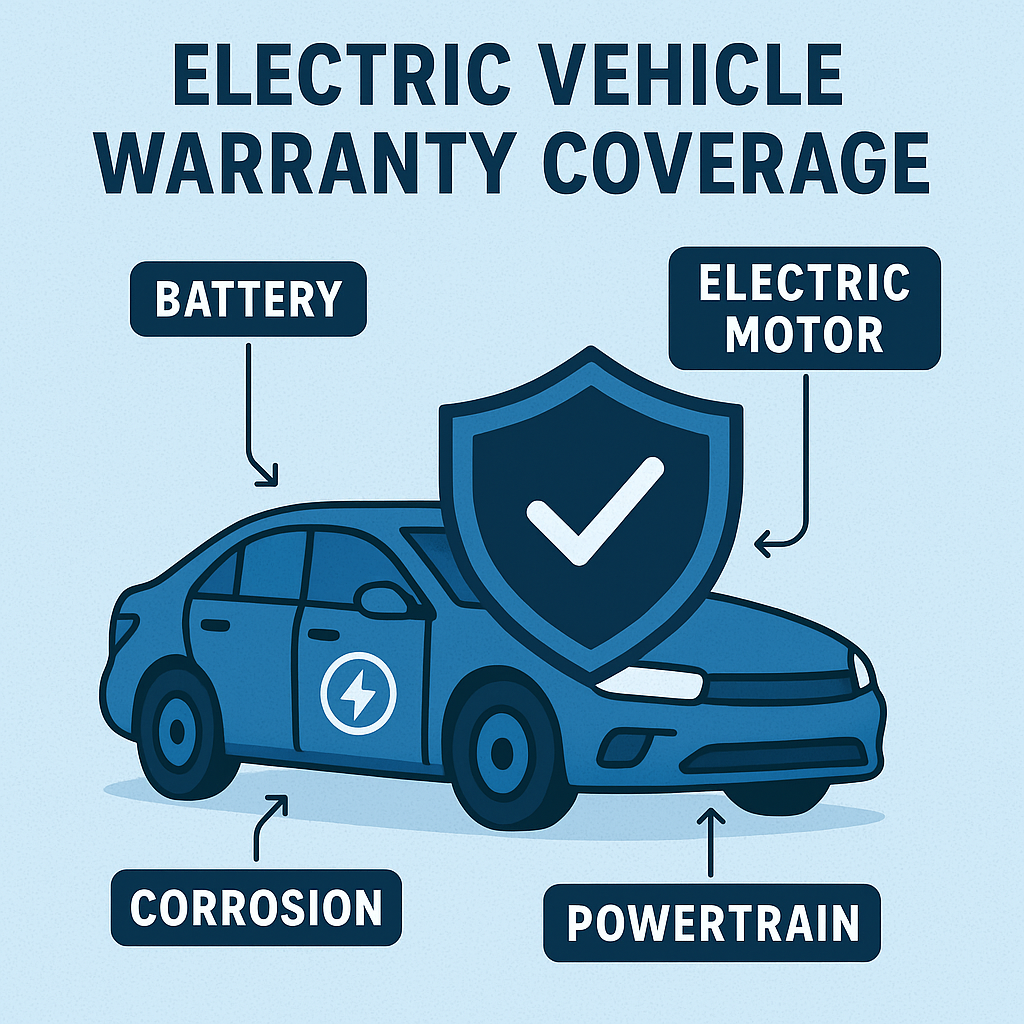
The most useful way to read an EV warranty is to separate it into categories: the high-voltage battery, the electric drive unit, the power electronics, the general vehicle warranty, and any separate corrosion, roadside assistance, or software-related terms. Each category can have a different time limit, mileage limit, and list of exclusions. The battery may be protected against defects and excessive capacity loss, while trim pieces, suspension parts, infotainment hardware, and wear items may follow a much shorter standard warranty. That structure is normal, not a sign that the brand is stingy; it reflects how EV components age at different rates.
Why EV Warranty Terms Are More Complicated Than They Look
With a gasoline car, many owners already understand that brakes, belts, and fluids wear out while the engine and transmission are the big-ticket warranty concerns. An EV changes the map. The battery is the most expensive component, but it is not the only one that can create a large repair bill. A failed onboard charger, damaged inverter, malfunctioning thermal management pump, or software issue that disables charging can all become expensive quickly. That is why manufacturers often structure coverage around major systems rather than a single blanket promise.
Another reason EV warranties feel complicated is that the battery is usually covered in two different ways. First, there is coverage for defects in materials or workmanship. Second, there is a capacity-retention promise, which addresses how much usable range the battery can lose over time. Those are not the same thing. A battery can remain free of defects yet gradually lose capacity as it ages. Buyers who do not distinguish between the two often misunderstand whether a range drop is “covered.”
The Battery Clause: The Part Most Buyers Should Read Twice
The battery clause is the center of any electric vehicle warranty coverage review because it is the most expensive and the most misunderstood part of the car. Manufacturers typically promise that the battery will function normally for a stated period and that it will not degrade below a certain threshold under normal use. The exact threshold varies by brand, but the practical question is always the same: at what point does the manufacturer consider degradation to be a warranty problem rather than ordinary aging?
Capacity warranties are usually written around a percentage of original battery capacity, not around a specific range figure. That distinction matters because real-world range depends on weather, driving style, tire choice, terrain, and cabin heating or cooling. A driver who loses winter range may think the battery is failing when the real cause is cold temperatures and higher energy demand. Conversely, a battery that has genuinely degraded can still look “fine” on a short test drive. If you are evaluating a warranty, ask how the manufacturer measures capacity loss, what diagnostic method it uses, and whether the threshold is based on usable capacity or an internal battery-health estimate.
It also pays to check what voids battery coverage. Common exclusions include unauthorized modifications, racing or track use, flood damage, physical impact, improper charging equipment, and neglect that can be traced to ignored warnings or obvious abuse. Some brands are stricter than others about software tampering, aftermarket chargers, or repeated exposure to extreme conditions. If you plan to use the car for towing, frequent DC fast charging, or long highway trips in hot climates, the battery warranty language deserves more attention than the marketing brochure.
Drive Unit, Power Electronics, and Charging Hardware
An EV’s motor is often described as maintenance-free, but that does not mean it is failure-proof. The drive unit usually includes the motor, reduction gear, and associated lubrication or cooling systems. Power electronics such as the inverter convert battery power into usable motor output, and those components can be costly to replace. A proper warranty review should confirm whether the drive unit is covered separately from the battery and for how long. In many cases, it is, and the duration can be different from the battery’s coverage period.
Charging hardware is another area where owners get surprised. Some warranties cover the onboard charger, charge port, or related control modules only under the vehicle’s general warranty rather than under the battery warranty. That matters because the symptom may look like a battery problem when the real issue is a charging communication fault or a failed onboard component. If you rely heavily on home charging, ask whether the warranty covers the hardware that converts AC power at the car, not just the battery pack itself.
What the General Vehicle Warranty Still Covers
Even in an EV, the standard bumper-to-bumper warranty remains important because many of the most annoying problems have nothing to do with the battery. Door handles, window regulators, HVAC components, sensors, cameras, seat motors, infotainment screens, and steering or suspension parts still wear, fail, or get out of alignment. A buyer focused only on battery coverage may overlook the fact that a car with advanced driver-assistance features can generate expensive sensor-related repairs long before the battery becomes a concern.
General vehicle warranties also matter because software and hardware are now tightly intertwined. A fault in a camera module may affect lane-keeping systems, adaptive cruise control, or automatic emergency braking. The warranty language may not mention the feature you care about; instead, it may refer to the underlying module. That is why reading the component list, not just the marketing summary, is the only reliable way to understand what is protected.
Wear Items, Maintenance, and the Myth of “Low-Repair” Ownership
EVs often reduce some maintenance costs, but they do not eliminate wear. Tires may wear faster because of vehicle weight and instant torque. Suspension parts still age. Cabin filters still need replacement. Brake systems may last longer thanks to regenerative braking, but they can also corrode if the car is used mostly in light-braking conditions. None of those items are usually part of electric vehicle warranty coverage unless a defect is involved.
The practical mistake is assuming that lower scheduled maintenance means lower risk. In reality, the ownership profile changes rather than disappears. Fewer oil changes do not protect you from a failed climate-control compressor, a damaged charging port, or a battery thermal-management issue. A good warranty is valuable precisely because it absorbs the expensive, less frequent failures that are harder to budget for than routine maintenance.
How to Compare EV Warranties Without Getting Misled by Marketing
Comparing warranties requires more than looking at the headline year count. Two cars can both advertise eight years of battery coverage, yet one may offer stronger capacity protection, broader component coverage, or fewer exclusions. A useful comparison starts with four questions: how long is the battery covered, what percentage of degradation triggers a claim, what else is covered under the EV-specific warranty, and what conditions can void it?
- Check whether battery coverage is tied to years only, mileage only, or both.
- Look for a separate capacity-retention promise, not just defect coverage.
- Confirm whether the drive unit and inverter are included under the same term.
- Read the exclusions for towing, track use, flood exposure, and unauthorized repairs.
- Ask whether software updates or diagnostic visits are required to maintain coverage.
That last point is easy to miss. Some manufacturers require owners to keep the vehicle updated or to follow specific service procedures. If the car is skipped through software updates for long periods, the manufacturer may argue that a problem was not diagnosed or mitigated properly. Whether that argument holds depends on the exact wording, but the risk is real enough to justify attention.
New vs. Used EVs: Warranty Value Changes Fast
Warranty coverage is not equally valuable across the life of the car. For a new EV, the battery and drivetrain protections can be a major reason to buy. For a used EV, the remaining warranty term becomes part of the car’s actual value, not just a comfort factor. A used model with most of its battery coverage already consumed may look inexpensive until you factor in the cost of a high-voltage repair outside warranty.
Used-vehicle buyers should verify whether the warranty transfers automatically, whether ownership changes affect the term, and whether previous repairs were performed at authorized service centers. They should also ask for battery-health information if the seller can provide it. Even when a battery is still within warranty, a car that has already lost a noticeable amount of usable range may not be a good value unless the price reflects that loss. A warranty protects against certain failures; it does not restore the range you already lost within normal degradation limits.
Common Mistakes Owners Make After the Purchase
One of the most common mistakes is waiting until a warning light appears before learning what the warranty says. By then, the owner may have already driven the car in a condition that complicates the claim. Another mistake is using non-approved repair shops for high-voltage work without understanding whether the repair could affect coverage. Independent service is not automatically a problem, but shortcuts, undocumented parts, and poor recordkeeping can become a dispute if a major component fails later.
Owners also underestimate the importance of documentation. Keep service records, charging-related fault messages, software update notices, and photos of dashboard warnings. If the car exhibits recurring symptoms, note the date, mileage, weather, and charging conditions. That level of detail can be decisive when a manufacturer or dealer needs to determine whether a battery issue is a warranty defect, a charging-system fault, or an environmental effect.
What Strong Warranty Coverage Looks Like in Practice
Strong electric vehicle warranty coverage is not simply the longest term on paper. It is the combination of broad component protection, clear battery-capacity language, reasonable exclusions, and an accessible claim process. The best warranties are readable enough that an owner can understand when to seek service and what evidence to preserve. They do not bury critical battery terms in vague language or force the buyer to guess whether a range loss is actionable.
In practical terms, a strong warranty should answer three questions without ambiguity: what fails, what degrades, and what the owner must do to stay protected. If those answers are clear, the warranty has real value. If they are buried in dense legal language or scattered across separate documents, the headline coverage may be less useful than it appears.
How to Read the Fine Print Before You Sign
Before buying an EV, ask for the written warranty booklet, not just the sales summary. Read the sections on battery coverage, exclusions, maintenance obligations, and dispute resolution. If a dealer cannot explain the difference between defect coverage and capacity coverage, that is a sign to slow down. A competent explanation should include how claims are tested, which repairs require authorization, and whether software diagnostics are used to confirm a problem.
If you already own the car, review the warranty after each major service interval or software update. Terms can vary by model year, trim, and region, and owners often assume all versions are identical when they are not. The time to learn the details is before a problem occurs, because once a battery warning appears, the margin for error is small. A well-understood warranty will not prevent every repair, but it will make the expensive ones far less uncertain.
For anyone shopping seriously, the right question is not whether the warranty is “good” in the abstract. It is whether the coverage matches the way you will actually use the car. A commuter who charges at home and keeps the battery in a moderate climate has a different risk profile from someone who fast-charges frequently, tows, or lives where heat and cold are extreme. Electric vehicle warranty coverage is most valuable when it is matched to real-world use, not just to the sticker on the windshield.

Comments (0)
No comments yet. Be the first to comment!
Leave a Comment