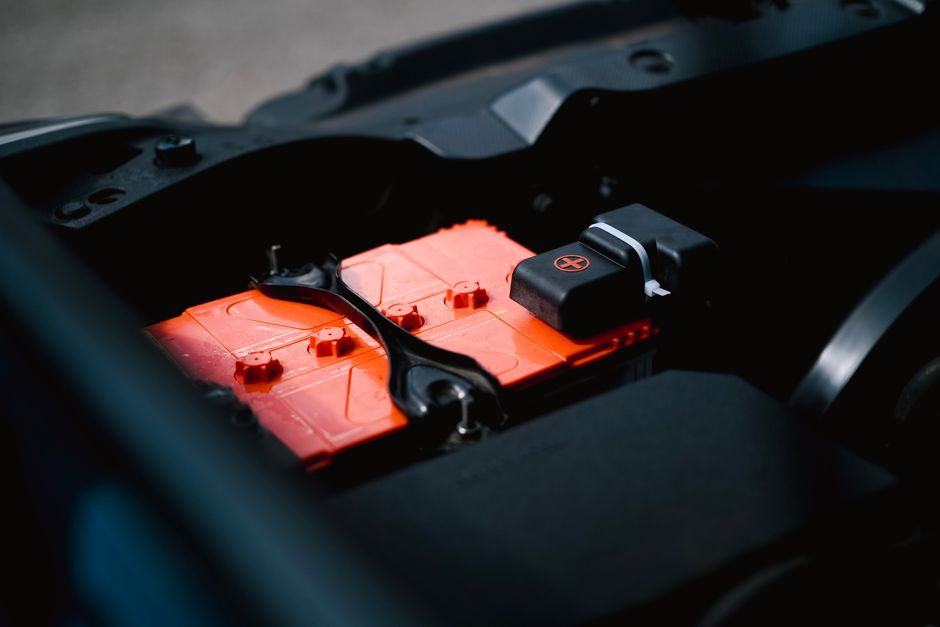
When a car battery keeps dying overnight, the battery is usually not the real problem
If your car battery keeps dying overnight, the first mistake is assuming the battery itself has “gone bad” and moving straight to a replacement. A battery can be weak, of course, but repeated overnight drain usually points to one of three things: the battery is no longer holding charge well, the charging system is underperforming, or something in the car is drawing power after the engine is off. Those three possibilities sound simple, but the difference matters because each one leads to a very different fix.
In practice, the clue is in the timing. A battery that struggles only after the car sits for hours is not the same as a battery that dies after a short drive or one that needs jump-starts every few days. Overnight failure usually means the battery is being discharged while the car is parked, or it never got fully recharged in the first place. That distinction saves a lot of unnecessary parts swapping.
Start with the easiest question: did the battery actually recharge while you drove?
Many drivers assume a 15-minute commute is enough to restore a drained battery. Often it is not. Modern cars place a steady load on the electrical system even when everything seems off, and short trips can leave the battery in a partial-charge state for days. A battery that is repeatedly only half-charged ages faster and becomes much more vulnerable to cold weather, overnight drain, and weak starts the next morning.
If your driving pattern is mostly short trips, that alone can explain why the car battery keeps dying overnight even when no obvious fault is present. The alternator may be working fine, but the battery never gets the long, sustained charge it needs. This is especially common in vehicles with heated seats, dash cams, alarm systems, keyless entry modules, or after-market accessories that keep drawing current in the background.
Know the difference between a weak battery and a parasitic drain
A weak battery fails because it cannot store enough energy. A parasitic drain happens when the car keeps consuming energy after shutdown. The symptoms overlap, which is why people replace batteries and still have the same problem the next week. The practical difference is easy to describe: a weak battery fails even if the car sits untouched, while a parasitic drain usually drains a healthy battery faster than normal.
There is a simple way to think about it. If the battery dies after being parked overnight, but starts fine after a long drive or after being jump-started and then driven for a while, the car may have an unwanted draw. If it dies even after a full recharge and the alternator tests poorly, the charging system deserves attention. If it is old, swollen, leaking, or slow in cold weather, the battery itself may simply be at the end of its life.
What commonly causes overnight battery drain
Some causes are easy to miss because they do not look like “major” electrical faults. A glove box light that stays on, a trunk light that does not switch off, a poorly closing door latch, or a relay that sticks closed can drain a battery quietly while the car sits. After-market remote starters, dash cams wired incorrectly, audio amplifiers, and phone chargers are also frequent troublemakers.
Factory systems can be just as responsible. Modules that fail to go to sleep, infotainment systems that stay awake, telematics units that misbehave, or a faulty door control module can keep the vehicle in a semi-active state. The car may appear off, but one or more circuits keep sipping current all night. That is why the problem often feels random: the drain may be intermittent, temperature-sensitive, or triggered by a specific lock/unlock cycle.
Corrosion at battery terminals is another overlooked culprit. Corrosion does not usually create a true overnight drain by itself, but it can reduce charging efficiency and make an already weak battery seem worse than it is. Loose connections can do the same. A battery that cannot receive a proper charge will behave like a bad battery even if the cells are still serviceable.
The first checks you can do without special tools
Before reaching for a multimeter, look for the obvious. Make sure the headlights, interior lights, trunk light, and vanity mirror lights are all turning off. Check whether any door, hood, or hatch is not fully closing. If your vehicle has a light that stays on in the cargo area, it can drain a battery surprisingly fast.
Next, inspect the battery terminals. They should be clean, tight, and free of white or green crust. A terminal that can be twisted by hand is too loose. If the battery case is swollen, cracked, or smells strongly of sulfur, stop there and replace it safely. A damaged battery is not a candidate for more troubleshooting.
Also pay attention to what changed recently. A new stereo, dash cam, phone mount with charging, alarm system, or even a repair that involved disconnecting and reconnecting the battery can introduce a drain or a bad connection. The timeline often gives away the cause faster than testing does.
How to narrow it down with a multimeter
If you have a basic digital multimeter, you can get useful information quickly. With the car off and rested for a while, a healthy fully charged 12-volt battery should usually read around 12.6 volts or a bit higher. A reading much lower than that suggests the battery is not fully charged or may be weak. If the voltage drops sharply after the car sits overnight, something is draining it or the battery is unable to hold charge.
To check for a parasitic draw, the car must be fully off and allowed to go to sleep first. This is where many people get misleading results: opening doors, waking the computer, or turning on accessories changes the reading. Once the vehicle is asleep, a current draw test can show whether something is still pulling too much power. If you are not comfortable measuring current safely, a shop can perform this test without much guesswork.
What matters most is not the exact number from a generic internet rule, but whether the draw is clearly higher than expected for that vehicle after shutdown. Different cars have different normal standby loads because newer vehicles keep more modules alive than older ones. That is why a proper diagnosis is better than guessing from symptoms alone.
Alternator problems can look like battery problems
A failing alternator does not only cause charging trouble while driving; it can also leave the battery undercharged enough that the car will not start the next morning. If the battery seems fine after a jump-start but keeps going flat again, the alternator output should be checked. A worn belt, damaged wiring, or bad voltage regulator can all interfere with charging.
One common misconception is that if the car runs, the alternator must be fine. That is not true. An alternator can produce enough power for the engine and still fail to fully recharge the battery, especially when headlights, climate control, rear defrosters, and other loads are active. The result is a battery that slowly falls behind until it cannot crank the engine the next day.
Cold weather makes the problem worse
Cold temperatures reduce battery performance and increase the energy needed to start the engine. A battery that seems acceptable in mild weather can fail overnight in winter because the chemical reaction inside the battery slows down. If the battery is already weak or only partially charged, a cold night can be enough to push it over the edge.
That is why a car battery keeps dying overnight more often in winter, even when the underlying issue has been present for months. Cold weather does not create the problem from nothing; it exposes a battery, charging system, or drain that was already operating near the limit.
When a battery replacement is the right move
Replacing the battery makes sense when the battery is old, repeatedly underperforming, or fails testing after being fully charged. Most batteries do not fail dramatically all at once; they get worse gradually. Slow cranking, dim lights during startup, and repeated need for jump-starts are all signs that the battery may be nearing the end.
Still, replacement should be paired with a check for the cause. Installing a new battery without fixing a drain is expensive and frustrating, because the new battery will die too. If the previous battery lasted only a short time, the vehicle likely has a charging or drain issue that needs attention before the next battery is ruined.
A practical troubleshooting order that saves time and money
The smartest approach is to test in this order: battery condition, terminal condition, charging performance, and then parasitic draw. That sequence prevents random parts replacement. Start with the battery because it is the easiest to evaluate. Then inspect and clean the connections. Next confirm the alternator is charging properly. Only after those basics check out should you spend time hunting for a hidden draw.
This order matters because a bad battery can mimic a drain, and a poor connection can mimic both. If you skip straight to complex electrical diagnosis, you may end up chasing a problem that was visible at the terminals the whole time. In the real world, many overnight battery complaints are solved by a combination of a tired battery and one small but persistent drain.
Common mistakes that lead people in the wrong direction
One common mistake is jump-starting the car and assuming the problem is solved because it starts again. A jump-start only proves the battery had too little energy at that moment. It does not tell you whether the battery is worn out, the alternator is weak, or something is draining power while parked.
Another mistake is replacing the battery without recording the symptoms. Note whether the car sat overnight, whether any lights were left on, whether the problem happens after rain, and whether it started right after a repair or accessory installation. Those details often point directly to the fault.
People also overlook the fact that some vehicles need battery registration or relearn procedures after replacement. On certain models, especially those with smart charging systems, failing to do this can cause odd charging behavior later. If your car uses an advanced battery management system, that detail matters more than many drivers expect.
How to prevent the problem from coming back
Once the cause is fixed, prevention is mostly about habits and maintenance. Keep the battery terminals clean and tight. Avoid leaving accessories plugged in overnight unless they are known to shut off completely. If you drive mostly short trips, give the battery a longer drive occasionally or use a proper maintenance charger when the car sits for long periods.
It also helps to pay attention to the first warning signs. Slow cranking, flickering interior lights, or electronics that reset are early clues, not harmless quirks. Catching the issue early can prevent a no-start situation in the morning and reduce the chance of being stranded in bad weather or a parking lot.
When to stop troubleshooting and get a shop involved
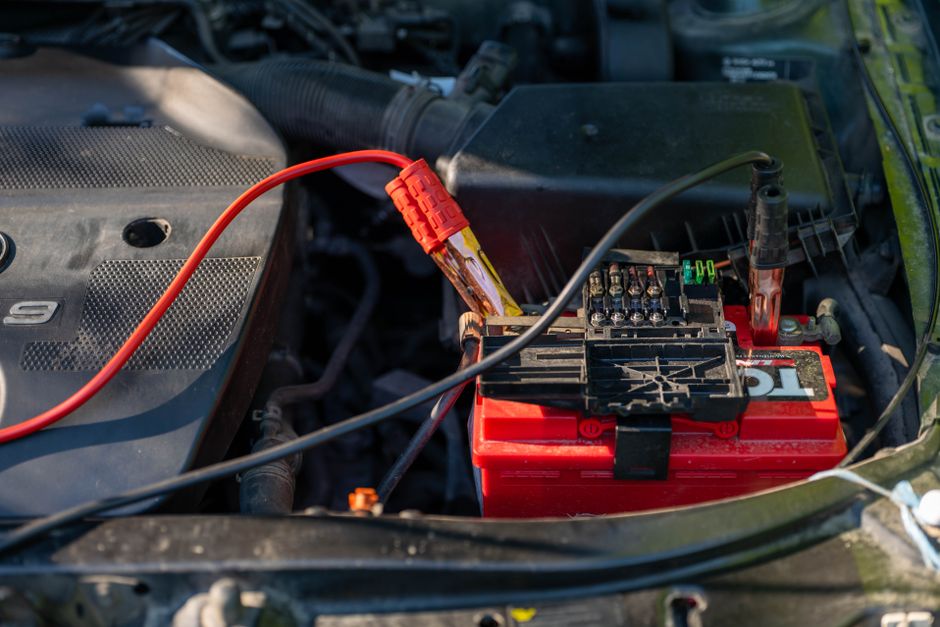
If the battery is new, the alternator checks out, and the car still dies overnight, the problem is likely hidden in a circuit that needs proper tracing. That can take time because the drain may appear only after the car goes to sleep, or only when a certain module misbehaves. A good technician will isolate the circuit rather than guessing.
Professional help is also the right move if the battery keeps dying and you are not comfortable working around electrical systems. Modern vehicles can be sensitive to incorrect testing, and a bad connection or wrong procedure can create more confusion than it solves. When the issue is intermittent, a shop with the right diagnostic tools can often find it faster than repeated trial and error at home.
If your car battery keeps dying overnight, treat it as a symptom, not a verdict. The real fix usually comes from identifying whether the battery is worn out, the charging system is weak, or a hidden draw is staying alive after shutdown. Once you separate those three possibilities, the problem becomes much more manageable.

Comments (0)
No comments yet. Be the first to comment!
Leave a Comment