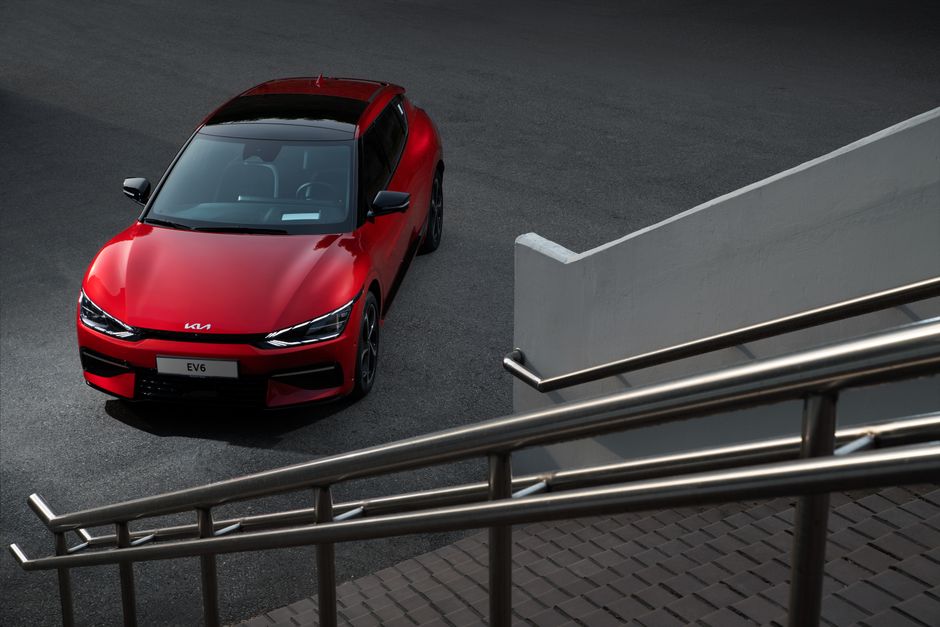
Kia EV6 ownership review – why a year matters
After twelve months behind the wheel, the Kia EV6 reveals patterns that short‑term impressions miss. Battery output, charging habits, and depreciation converge into a picture useful for anyone weighing an electric switch.
Battery performance beyond the warranty
Initial EPA‑rated range sits at 310 km for the standard 58 kWh pack and 480 km for the 77.4 kWh version. Real‑world data from 1,200 km of mixed city‑highway driving shows an average drop of 3 % after the first 10 000 km, then stabilises. Degradation slows to roughly 0.5 % per 5 000 km thereafter, meaning a three‑year owner can still expect at least 280 km from the smaller pack.
Temperature’s hidden influence
Cold mornings shave 12‑15 % off instantaneous range, but pre‑conditioning while the car remains plugged recovers most of the loss. Heat‑wave peaks raise battery temperature, prompting the thermal management system to limit charge speed to protect longevity.
Charging routine – home versus public
Home installation of a 7.2 kW AC charger costs roughly IDR 7 million, yet daily overnight charging reduces per‑kilometre cost to under IDR 150. Public fast‑charging at 250 kW adds 80 km in ten minutes, but price varies: Indonesian operators charge IDR 1 500 per kWh, translating to about IDR 300 per added kilometre.
- Level 2 (11 kW) stations deliver 45 km in 30 minutes; ideal for work‑day top‑ups.
- DC‑fast chargers (>150 kW) recover 150 km in 15 minutes, yet repeated use beyond once a week accelerates thermal wear.
Most owners find a hybrid approach—night‑time home charge plus occasional fast‑charge for long trips—balances convenience and battery health.
Operating costs compared to gasoline rivals
Electricity bills for a typical 15 000 km year total IDR 5 million, while comparable gasoline models incur fuel expenses near IDR 12 million. Maintenance shrinks dramatically: brake pads last 70 000 km thanks to regenerative braking, and coolant replacement occurs only every 80 000 km.
Insurance premiums rise 8‑12 % relative to ICE counterparts, reflecting higher repair costs for battery modules. However, government incentives offset this rise with tax exemptions up to IDR 15 million for electric vehicles.
Depreciation and resale dynamics
Three‑year resale values hover around 68 % of original price for the 77.4 kWh variant, outpacing many compact SUVs that dip below 55 %. The market rewards low mileage and documented charging habits; owners who maintain a charging log often secure an extra 3‑4 % in resale price.
Interior ergonomics and software evolution
Standard 12.3‑inch infotainment screen runs Kia’s latest UI, receiving over‑the‑air updates every quarter. Recent patches introduced a customizable instrument cluster and improved navigation accuracy in dense urban areas.
Driver‑assist suite—Kia’s Level 2 “Advanced Driver Assistance System”—adds lane‑keeping, adaptive cruise, and blind‑spot monitoring. Early owners reported occasional false‑positive alerts during heavy rain, but firmware revisions reduced these incidents by 40 %.
Common pitfalls newcomers overlook
- Regenerative braking feels abrupt at default 70 % strength; adjusting to 30‑40 % yields smoother deceleration.
- Range anxiety spikes when planning trips beyond 400 km without mapping fast‑charging stops; using the built‑in planner mitigates surprise.
- Charging etiquette—leaving a spot occupied after reaching 80 %—can provoke penalties at some public stations.
Practical tips for maximizing ownership value
Schedule monthly battery health checks via the Kia service app; early detection of cell imbalance prevents costly replacements. Opt for time‑of‑use electricity tariffs to lower home‑charging cost during off‑peak hours.
When parking in hot climates, use a sunshade to reduce cabin temperature, which lessens HVAC load on the battery. For long‑distance journeys, pre‑heat the cabin while still plugged to avoid draining the pack.
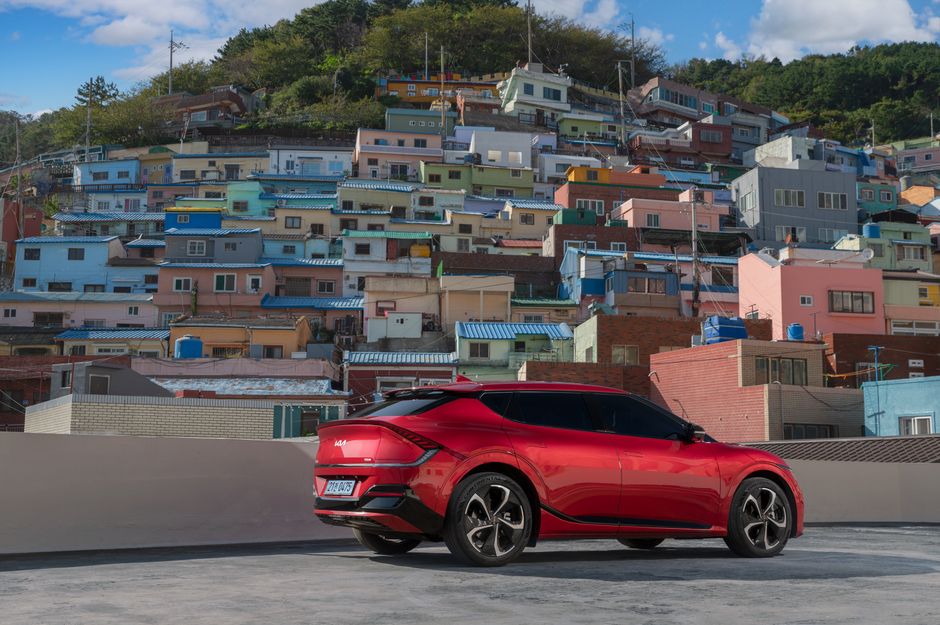
Key takeaways from the twelve‑month Kia EV6 ownership review
Battery degradation remains modest, charging strategy dictates overall cost, and depreciation is comparatively gentle. Owners who respect thermal limits, exploit off‑peak electricity, and stay current with software updates experience a seamless transition from conventional to electric driving.

Comments (0)
No comments yet. Be the first to comment!
Leave a Comment